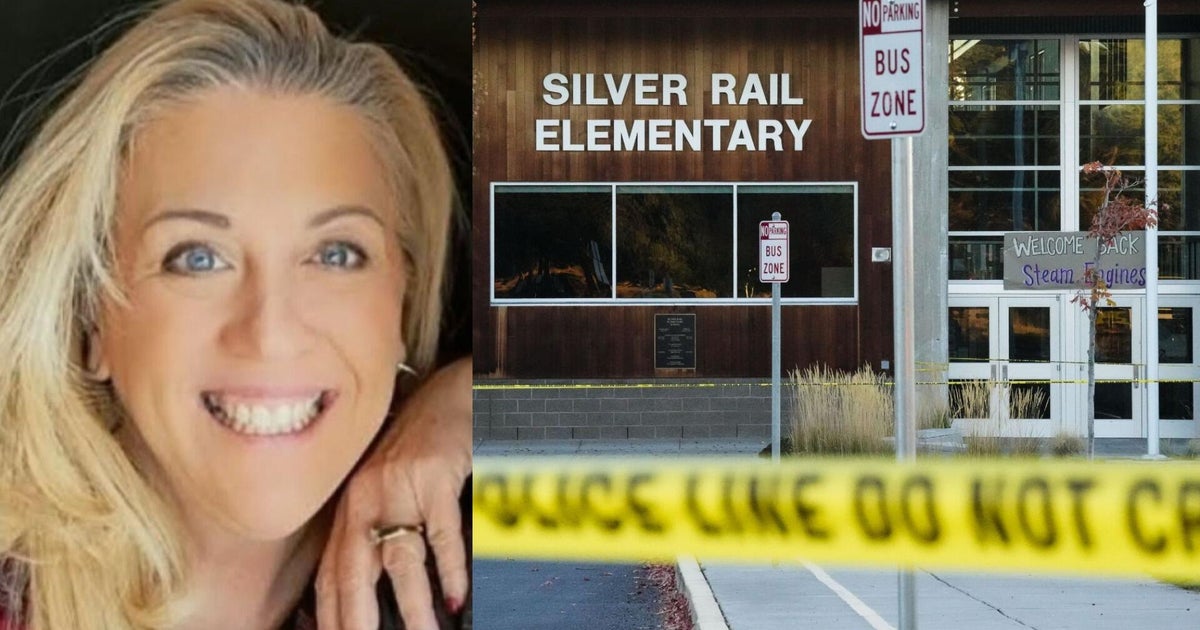
Two 15-year-old girls were arrested for allegedly planning a school shooting at Corona High School in California. Police found they had a list of names and were possibly motivated by revenge, but no weapons were found. The investigation is ongoing, and both remain in custody on charges related to conspiracy to commit murder.
Key Facts
The FBI alerted local police about online communications suggesting a threat to Corona High School.
The first suspect is a 15-year-old student at Corona High School; the second is a 15-year-old from Norco High School.
Investigators found evidence the girls researched past school shootings and discussed how to get weapons.
Police discovered a list of individuals’ names, indicating potential targets, but the motive seems focused on the school itself.
No weapons were found during searches of residences and electronic devices.
The suspects are charged with conspiracy to commit murder and are being held in juvenile custody.
The Riverside County District Attorney’s Office is reviewing the case to decide on formal charges or whether to move the suspects to adult court.
Law enforcement agencies involved include Corona Police, FBI, Riverside County Sheriff's Office, and Corona-Norco Unified School District.
Read the Original
Want the full story? Tap a source to open the original
article.
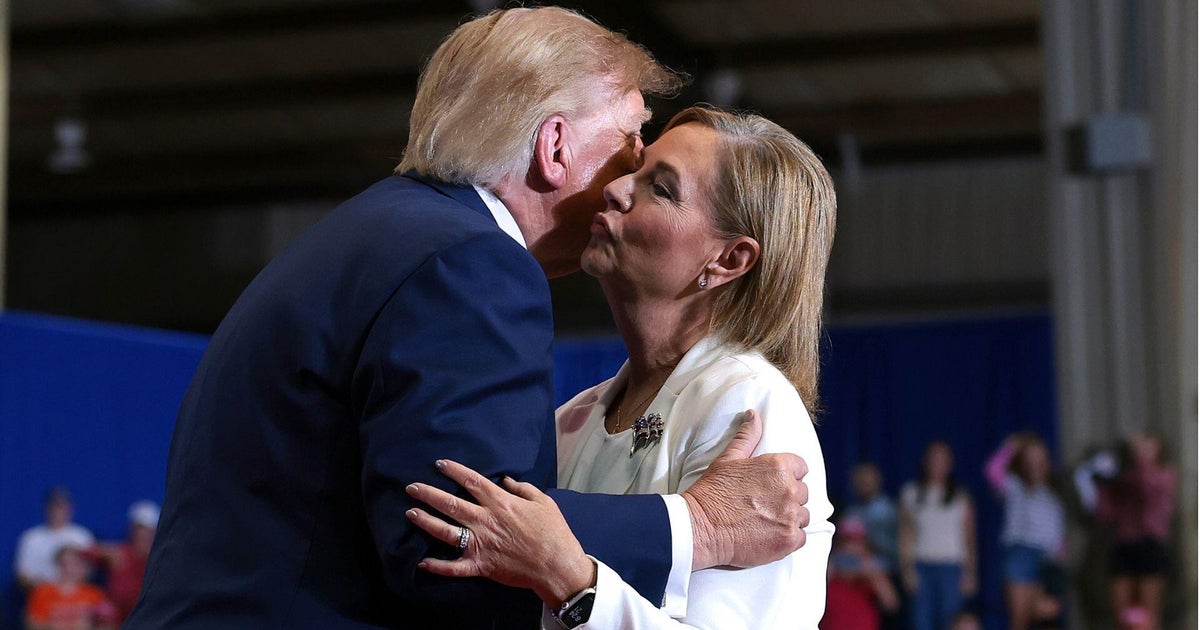
President Donald Trump is campaigning for Republican candidates in states that typically vote for his party as the U.S. election day approaches. The article mentions his support for Darline Graham amid disagreements about lifting sanctions on Russia but primarily focuses on his ongoing election efforts.
Key Facts
President Trump is actively campaigning in Republican-leaning states.
Election Day is approaching soon.
Darline Graham is one of the candidates Trump supports.
Some Republicans disagree about removing sanctions on Russia.
The article highlights Trump’s efforts to rally voters for the GOP.
The main focus is on election campaigning, not on the Russia sanctions debate.
The content is related to U.S. domestic politics and election activity.
Read the Original
Want the full story? Tap a source to open the original
article.
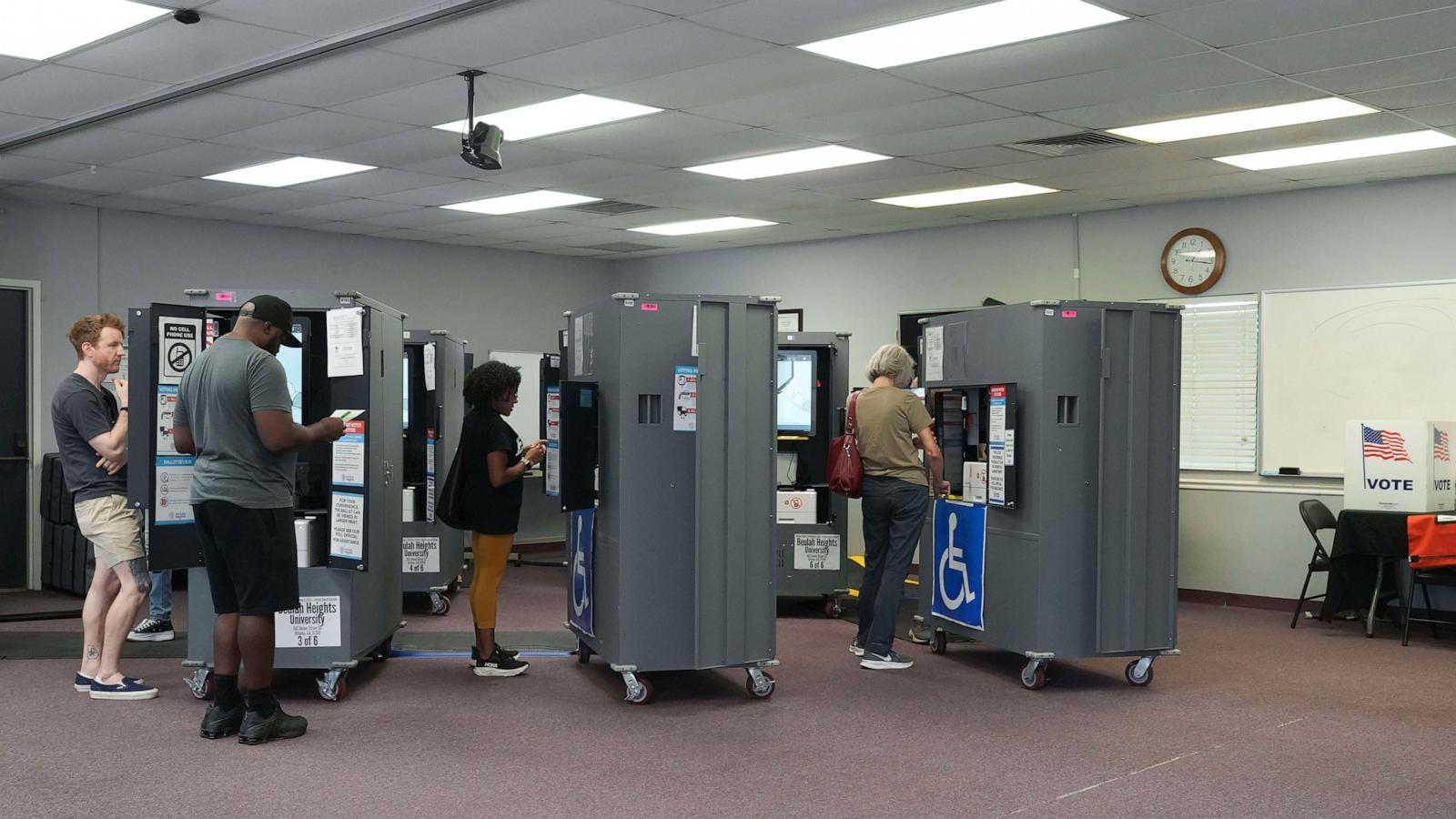
More than 18 million Americans have voted early in the 2026 midterm elections by mail or in person. Early voting data shows that Democrats are more enthusiastic in some key states, though the final results will also depend on who votes closer to or on Election Day.
Key Facts
Over 18 million early votes had been cast in the 2026 midterms as of October 22, 2026.
Democrats have cast a higher share of early votes compared to 2024 in states like Georgia and Iowa.
In some states without party registration, data models predict likely party support, showing more Democratic early voting.
Early voting trends suggest higher enthusiasm among Democrats, consistent with this year’s primary elections.
Polls show more Democrats say they are certain or enthusiastic about voting compared to Republicans.
Republicans tend to vote more on Election Day, which may balance early voting advantages for Democrats.
Past elections showed Democrats lead in mail ballots, while Republicans tend to lead in early in-person and Election Day votes.
The total votes usually split fairly evenly between mail, early in-person, and Election Day votes.
Read the Original
Want the full story? Tap a source to open the original
article.
A recent survey shows most people want the next U.S. Congress to focus on lowering the cost of living and ending the war in Iran. About 80% of those surveyed said lawmakers should make reducing prices a top priority.
Key Facts
The survey polled 1,119 people.
Around 80% want Congress to focus on lowering costs.
Ending the war involving Iran is also a top concern.
The survey was done by the Associated Press and NORC Center for Public Affairs Research.
Respondents identified cost of living and foreign conflicts as key issues.
The results reflect public priorities for the next Congress’s work.
Read the Original
Want the full story? Tap a source to open the original
article.
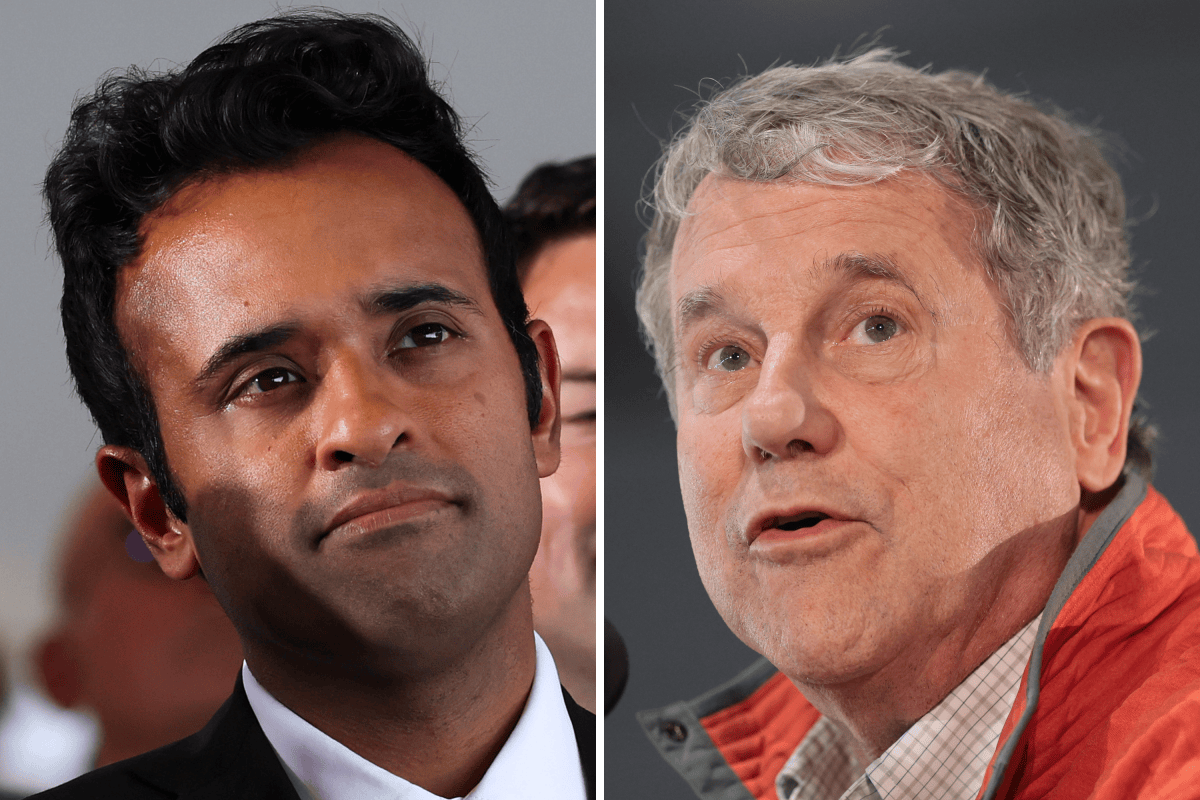
Sherrod Brown, the Democratic candidate for U.S. Senate in Ohio, has gained support in recent polls after Republican Vivek Ramaswamy took responsibility for a controversial campaign ad against Brown’s opponent Dr. Amy Acton. The ad, which involves Acton’s estranged mother, has caused debate in the Ohio governor’s race and may affect both the Senate and governor contests on the November 3 ballot.
Key Facts
Sherrod Brown is running to reclaim an Ohio Senate seat against Republican Jon Husted.
Vivek Ramaswamy is the Republican candidate for Ohio governor and created a campaign ad targeting Democrat Amy Acton.
The ad features Amy Acton’s birth mother disputing Acton's childhood story about abuse and living in a tent.
Since the ad aired, Brown’s chances of winning have increased by about 5-8 points in prediction markets.
A recent Marist poll shows Brown leading Husted 48% to 44%, and Acton leading Ramaswamy 50% to 43%.
President Donald Trump supports Ramaswamy, but his approval rating in Ohio is 43%, with 55% disapproving.
Vice President J.D. Vance and Senator Husted have mixed reactions to the ad controversy.
Brown and Acton plan to appear with former President Barack Obama at a rally to promote a unified Democratic campaign.
Read the Original
Want the full story? Tap a source to open the original
article.
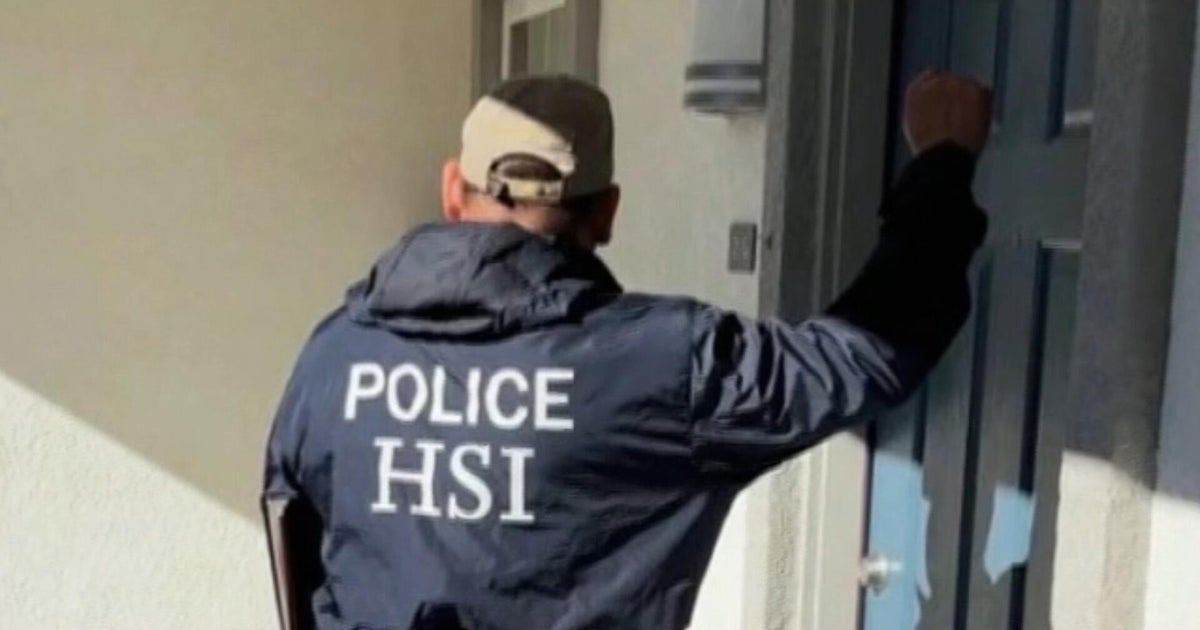
Federal agents from the Department of Homeland Security have been visiting houses in some states to check whether people are citizens and eligible to vote. This activity is happening as the U.S. midterm elections near and has raised concerns about voter suppression.
Key Facts
Federal agents from DHS have knocked on doors in certain states to check citizenship and voter status.
These visits are taking place ahead of the U.S. midterm elections.
The efforts are related to voting eligibility verification.
Some people have expressed worry that these actions might suppress voter turnout.
The DHS action is linked to the administration under President Donald Trump.
The news was reported by Nicole Sganga on CBS News.
The focus is on ensuring only eligible voters participate in elections.
This activity is part of broader election security and enforcement measures.
Read the Original
Want the full story? Tap a source to open the original
article.
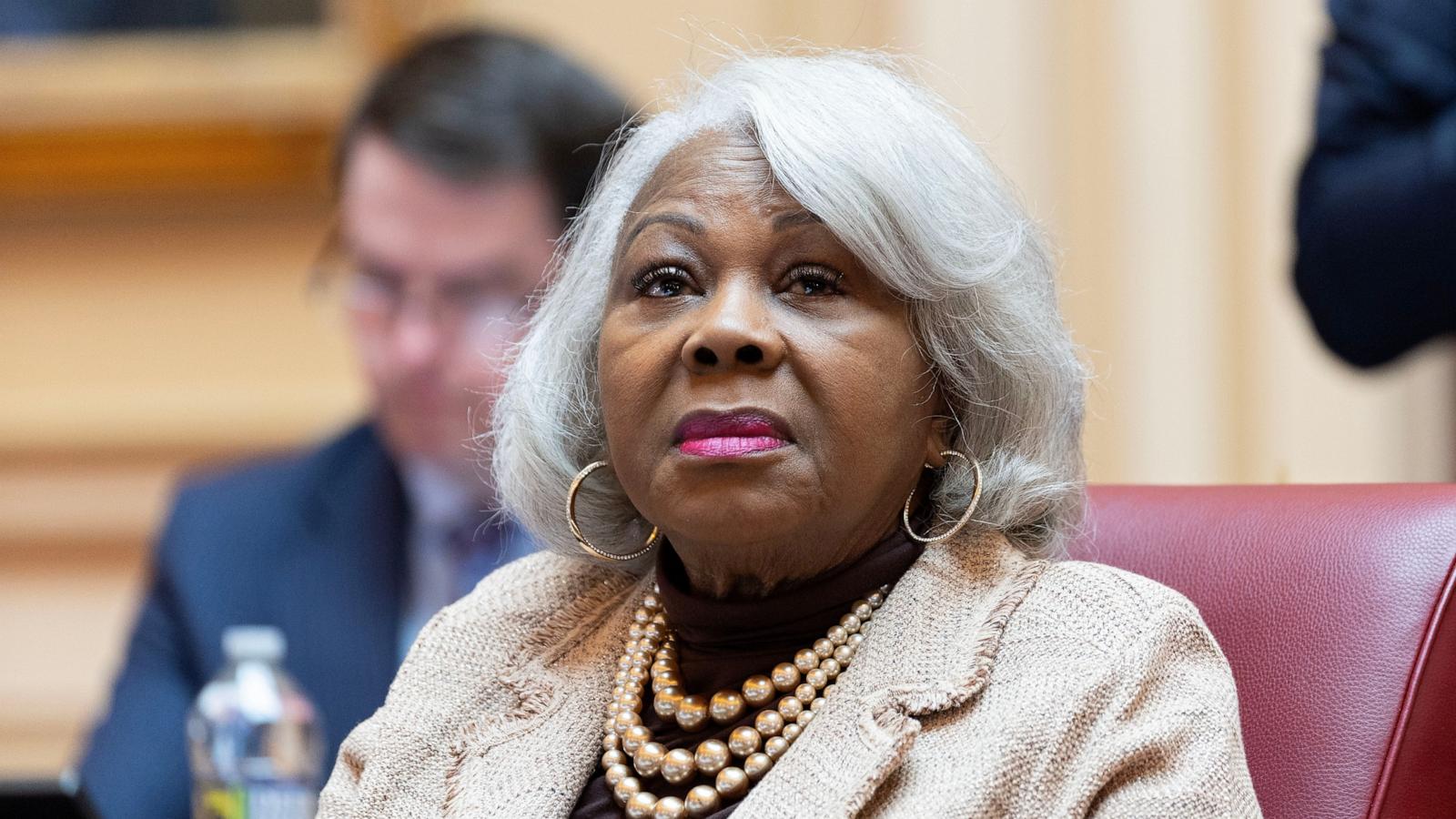
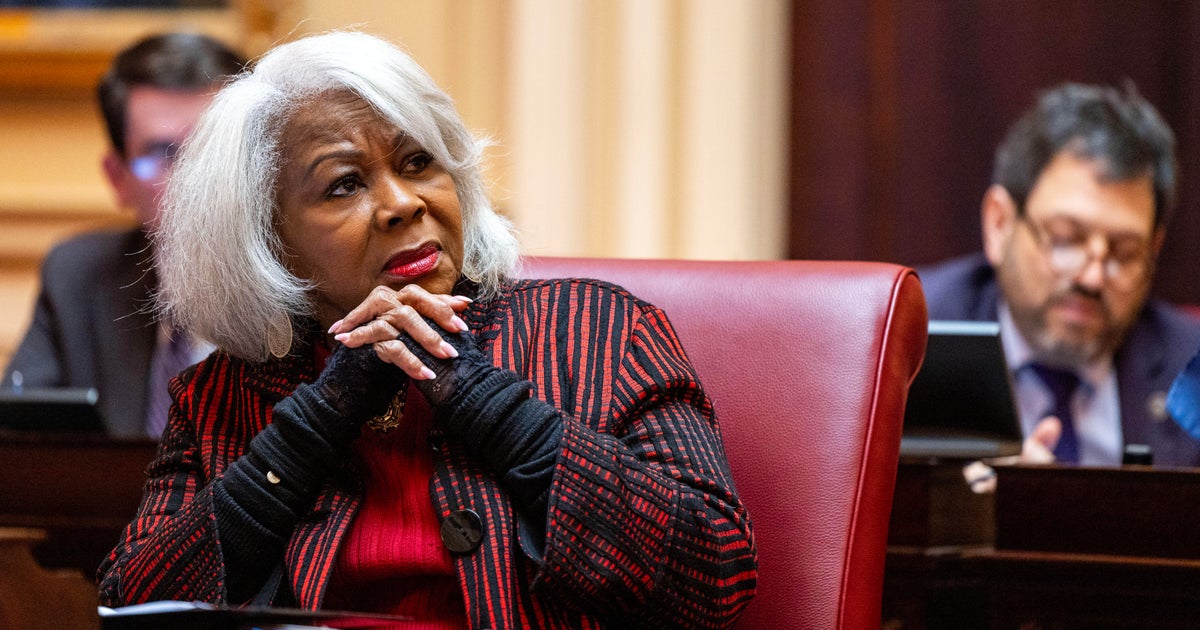
Virginia state Senator L. Louise Lucas and six others have been charged by the Department of Justice in a case involving marijuana trafficking and corruption. Prosecutors say Lucas used her political position to help run a marijuana business involved in illegal activities.
Key Facts
Senator L. Louise Lucas, a Democrat and Virginia Senate pro tempore, was indicted by federal authorities.
The indictment accuses her and six others, including family members, of running a marijuana trafficking operation.
The charges include racketeering (running a criminal business), money laundering (hiding illegal money), drug trafficking, and fraud.
Prosecutors say Lucas used her political roles to protect the business from investigation.
Over 100 kilograms of marijuana were allegedly bought and sold through the operation.
Marijuana and firearms were found during FBI searches of Lucas’ office and dispensary.
Lucas surrendered to authorities following the indictment unveiling.
This investigation dates back to the Biden administration and was publicly known after FBI raids in May 2026.
Read the Original
Want the full story? Tap a source to open the original
article.
Virginia state Senator L. Louise Lucas was charged with public corruption and taken into custody. The Department of Justice says she and her family ran an illegal marijuana business and broke the law by selling and handling large amounts of marijuana.
Key Facts
Senator L. Louise Lucas from Virginia was charged with public corruption.
The charges were announced by the Department of Justice.
The case involves her and family members in a marijuana business.
The marijuana business was illegal according to the indictment.
The accusation includes obtaining and selling large amounts of marijuana.
The charges accuse them of racketeering, which means running a criminal operation.
Lucas was taken into custody after the indictment was made public.
Read the Original
Want the full story? Tap a source to open the original
article.
Senator Roger Marshall said the war in Ukraine has caused diesel prices to rise because it has lowered diesel production. He mentioned that energy costs are a major issue as the U.S. midterm elections approach.
Key Facts
Senator Roger Marshall is from Kansas and is a member of the Republican Party.
He said the war in Ukraine is the main reason diesel prices are high.
Diesel production has decreased due to the war.
High energy costs, including diesel prices, are a key concern for voters before the midterm elections.
The statement was made on a Wednesday during a discussion of energy and politics.
Read the Original
Want the full story? Tap a source to open the original
article.
There are worries about possible political problems and disagreements before the new Congress starts on January 3. Some members are nervous that these issues could disrupt the opening day.
Key Facts
The new session of Congress is set to begin on January 3.
Some members expect political interference during this time.
There are concerns about partisan challenges, meaning conflicts between political parties.
These concerns have caused nervousness among members.
Potential disruptions could affect the normal start of Congress.
The worries focus on the opening day events.
Read the Original
Want the full story? Tap a source to open the original
article.
The race for Ohio governor has recently shifted in Democrat Amy Acton’s favor after a personal attack ad by Republican Vivek Ramaswamy’s campaign. Polling now shows Acton leading, but her win is not certain yet.
Key Facts
Amy Acton is a Democrat and former Ohio health director known for her role in the COVID-19 pandemic.
Vivek Ramaswamy is the Republican candidate running against Acton.
Ramaswamy’s campaign released an attack ad featuring Acton’s estranged mother accusing Acton of lying.
Acton was removed from her mother’s custody at age 12 after reporting sexual abuse by her stepfather.
The ad has drawn criticism from both political parties.
Ramaswamy’s campaign plans to spend $4 million to promote the ad on TV and online.
Polling averages show Acton leading by about 2 to 4.7 points in Ohio.
The race is now rated as “Leans Democratic” but is still considered competitive.
Read the Original
Want the full story? Tap a source to open the original
article.
Ohio State University denies claims from the U.S. Department of Justice that its medical school discriminates against applicants based on race. The DOJ alleges that OSU favors Black and Hispanic applicants over Asian applicants in admissions decisions.
Key Facts
The Department of Justice sent a letter to Ohio State University Medicine on Wednesday.
The DOJ accuses OSU's medical school of intentional racial discrimination in admissions.
According to the DOJ, Asian applicants face discrimination compared to Black and Hispanic applicants.
Ohio State University disputes these allegations.
The issue concerns fairness in how the medical school admits students.
Read the Original
Want the full story? Tap a source to open the original
article.
Senator Kevin Cramer criticized Steve Witkoff, a special envoy for President Trump, for calling Russian President Vladimir Putin a "humanitarian." Cramer strongly disagreed, calling Putin an "evil killer," and said he would prefer to die in a Russian prison than have someone praise Putin to gain his freedom.
Key Facts
Senator Kevin Cramer is from North Dakota and is a Republican.
Cramer disagreed with Steve Witkoff’s description of Putin as a "humanitarian."
Cramer called Putin "an evil killer."
Cramer said he would rather die in a Russian prison than be freed by someone praising Putin as a humanitarian.
Steve Witkoff is a special envoy for President Donald Trump.
The disagreement is about how to describe Russian President Vladimir Putin.
Read the Original
Want the full story? Tap a source to open the original
article.
The article discusses how excessive spending on applied behavior analysis (ABA) therapy under Medicaid leads to problems. It says that abusive billing practices hurt autistic children by limiting their access to necessary therapy and cause taxpayers to lose trust in the Medicaid system.
Key Facts
Medicaid funds therapy called applied behavior analysis (ABA) for autistic children.
There is a rise in spending on ABA, which some view as out of control.
Some service providers may be billing Medicaid improperly or abusively.
These billing abuses reduce the availability of therapy for children who need it.
Taxpayers lose confidence in Medicaid because of these financial issues.
The problem is linked to how Medicaid is set up to pay for services.
Medicaid is a government program that helps cover health costs for low-income people.
Ensuring proper use of Medicaid funds is important to support autistic children’s therapies.
Read the Original
Want the full story? Tap a source to open the original
article.
President Donald Trump is holding a rally in Sioux City, Iowa, to support Ashley Hinson, the Republican candidate for U.S. Senate. Hinson recently shared a story about receiving a message from President Trump and is actively campaigning against her Democratic opponent, Josh Turek.
Key Facts
President Donald Trump is speaking at a rally in Sioux City, Iowa.
Ashley Hinson is the Republican nominee for the U.S. Senate from Iowa.
Hinson received a personal message from President Trump identified by his initials "DJT."
The rally is scheduled for 6:30 p.m. Eastern Daylight Time.
Hinson has been debating her Democratic opponent, Josh Turek, focusing on winning undecided voters.
The event is part of the broader campaign for the upcoming Senate election in Iowa.
Read the Original
Want the full story? Tap a source to open the original
article.
President Donald Trump expressed concern about the Alaska Senate race because two candidates have very similar names. He called the situation confusing and criticized the court for not stopping what he called a scam.
Key Facts
President Trump commented on the Alaska Senate race on Wednesday.
Two candidates in this race have very similar names.
Trump said the situation is “totally confusing.”
He referred to the situation as a “scam.”
Trump criticized the court for not intervening in the matter.
His comments were posted on the social media platform Truth Social.
Read the Original
Want the full story? Tap a source to open the original
article.
Female Victorian politicians in Australia are facing increasing threats and violence as the state approaches an election. Many women MPs described threatening messages and dangerous situations that have made them change their daily routines for safety. The threats have grown since the Covid lockdowns, with some targeting family and personal vulnerabilities.
Key Facts
Helen Haines, a federal MP in Victoria, was allegedly attacked by a constituent.
Georgie Purcell, a Victorian state MP, reported online threats after supporting Haines.
Purcell says threats are often vague, making police action difficult.
Nationals MP Annabelle Cleeland shares her live location for safety due to threats.
Female MPs report threats that are often violent and sexualized.
Threats increased during and after Victoria’s long Covid lockdown periods.
Former Premier Daniel Andrews received constant personal security due to threats.
Current Premier Jacinta Allan has faced public hostility and intimidation during events.
Read the Original
Want the full story? Tap a source to open the original
article.
Politico changed a story about Susie Wiles, the White House Chief of Staff, after the White House warned them about possible repercussions. The original story included details about the firing of press secretary Katie Zacharia and said Wiles arranged interviews for Zacharia on Fox News.
Key Facts
Politico corrected a story about Susie Wiles late Wednesday.
The story involved the firing of press secretary Katie Zacharia last week.
It said Wiles helped arrange interviews for Zacharia on Fox News.
The White House warned Politico about potential consequences before the correction.
The correction suggests the original story had inaccuracies about Wiles's actions.
Susie Wiles is the White House Chief of Staff.
Read the Original
Want the full story? Tap a source to open the original
article.
Virginia state senator L. Louise Lucas was arrested and charged with bribery, money laundering, and illegal marijuana distribution linked to her medical cannabis business. Federal prosecutors say she led a scheme using her political power for financial gain and that her family members are also charged.
Key Facts
L. Louise Lucas is an 82-year-old Virginia state senator involved in marijuana-related criminal charges.
She and six others are charged with conspiracy to distribute illegal marijuana, money laundering, and bribery.
The charges stem from allegedly selling illegal marijuana through her legally licensed medical cannabis business.
Lucas surrendered to authorities after a federal indictment with multiple criminal counts.
Prosecutors accuse her of using her political influence to pass laws benefiting her business and protecting it from state enforcement.
Her daughters and grandson are also indicted in connection with the case.
Virginia legalized recreational marijuana sales to begin next year, with licensed medical cannabis sales allowed now.
Lucas played a major role in Virginia’s 2026 redistricting and was reelected in 2023; she is Senate president pro tempore.
Read the Original
Want the full story? Tap a source to open the original
article.