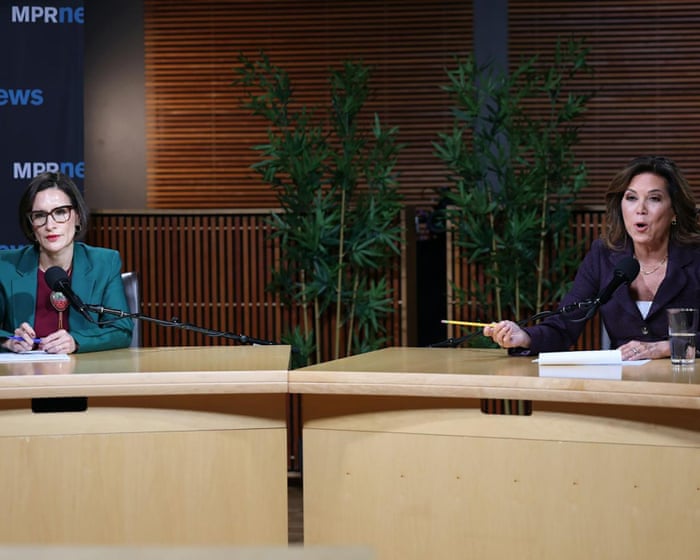
Two candidates for the U.S. Senate in Michigan, Democrat Abdul El-Sayed and Republican Mike Rogers, debated their views less than two weeks before the November 3 midterm elections. They discussed issues like the U.S.-Iran conflict, tariffs, and how these affect Michigan’s economy and gas prices.
Key Facts
Mike Rogers supports bringing car manufacturing jobs back to Michigan but is cautious about tariffs on Canada, which affects Michigan’s car industry.
Rogers said he will prioritize Michigan’s interests above party politics.
Abdul El-Sayed blamed rising gas and food prices on the U.S. war with Iran and criticized President Trump for leaving the 2015 Iran nuclear deal.
The 2015 deal (JCPOA) limited Iran’s nuclear activities in exchange for lifting sanctions; the U.S. left this deal in 2018.
Gas prices in Michigan increased sharply over one year, with regular gas reaching $4.44 per gallon and diesel $6.41.
El-Sayed accused Rogers of supporting the war on Iran and being closely aligned with President Trump’s policies.
Rogers criticized El-Sayed for frequently mentioning Trump during the debate.
The outcome of the Michigan Senate election will affect which party controls the U.S. Senate, where Republicans currently hold a majority.
Read the Original
Want the full story? Tap a source to open the original
article.
The US Centers for Disease Control and Prevention (CDC) reported a third measles death but did not say which state it happened in, citing privacy laws. Experts say this lack of information makes it harder for the public to understand the outbreak, which is growing rapidly with over 4,400 confirmed cases this year.
Key Facts
The CDC added a third measles death to its dashboard but did not reveal the state where it occurred.
The agency said privacy laws prevent sharing the state's name, but experts disagree.
Measles cases in the US increased by 8% in one week, reaching 4,410 cases this year.
Pennsylvania has reported six measles deaths, but the CDC lists only three nationally.
The CDC changed its reporting method in September, switching to a system that reports deaths more slowly and lacks state details.
Experts say knowing the state of deaths helps the public understand risks better.
The CDC is governed by the Federal Privacy Act, which usually protects personal information but does not clearly forbid naming states.
Pennsylvania officials say they carefully investigate causes before reporting deaths and follow privacy rules.
Read the Original
Want the full story? Tap a source to open the original
article.
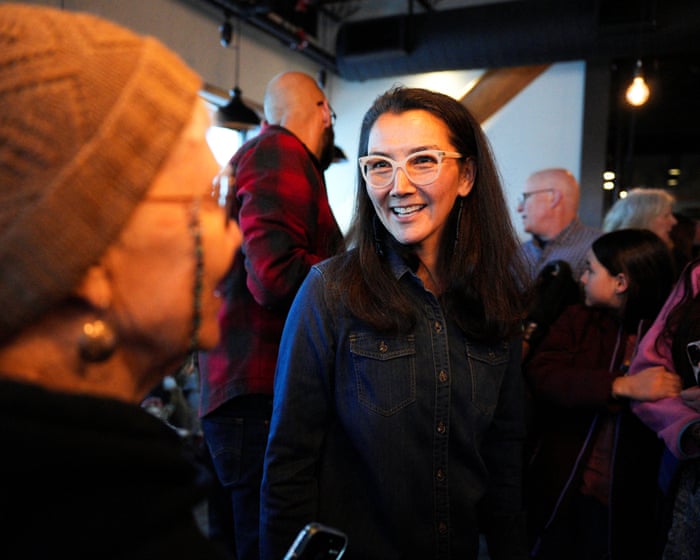
Mary Peltola, a Democrat from Alaska, is running for the US Senate seat currently held by Republican Dan Sullivan. The campaign focuses on high living costs in Alaska’s rural areas and important local industries like fishing and oil. President Donald Trump campaigned for Sullivan, who faces a close race that could take days to decide because of Alaska’s voting rules.
Key Facts
Mary Peltola, an Alaska native and former US House member, is running as a Democrat for the Senate seat.
Alaska has very high living costs, especially in remote areas, with some goods and power costing many times more than in cities.
The Senate seat is currently held by Republican Dan Sullivan, who is seeking a third term.
President Trump campaigned in Alaska to support Senator Sullivan.
Both candidates focus on lowering costs and supporting Alaska’s fishing and oil industries.
The race is close, with recent polls showing competition and the presence of a third Republican candidate possibly splitting votes.
Alaska uses ranked-choice voting, which can delay final election results by several days.
Alaska is generally a Republican-leaning state but shows mixed political control locally, with Democrats competitive in some races.
Read the Original
Want the full story? Tap a source to open the original
article.
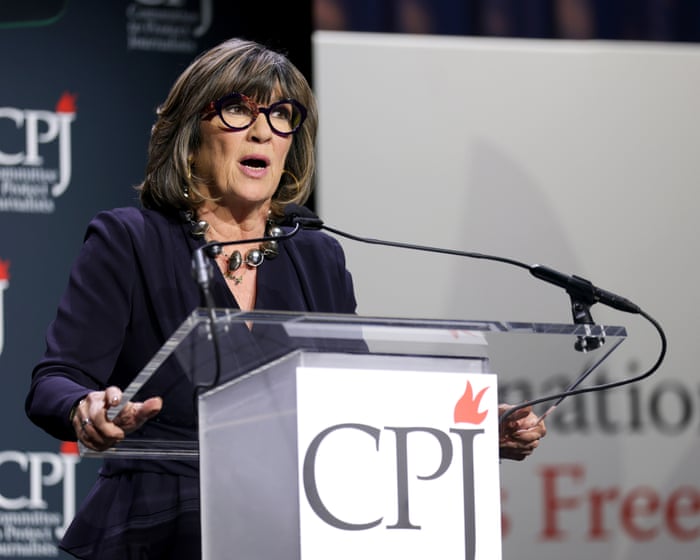
Christiane Amanpour, a well-known CNN journalist, is leaving the network after a long career. She advises journalists to be truthful rather than neutral, emphasizing the importance of reporting the truth clearly even in difficult political times.
Key Facts
Christiane Amanpour joined CNN in 1983 and is now retiring.
She is famous for reporting from war zones and being direct in her news coverage.
Amanpour advises journalists to focus on truth instead of staying neutral or avoiding strong statements.
She believes that media sometimes softens or avoids calling out falsehoods in politics.
Amanpour supports objectivity but rejects pretending to be neutral when facts are clear.
Recent big changes at CNN’s parent company, Skydance, may have influenced her decision.
Amanpour has expressed concern about pressure on journalism and editorial independence, mentioning similar issues at CBS News.
She leaves CNN on good terms with the network’s CEO, Mark Thompson.
Read the Original
Want the full story? Tap a source to open the original
article.
Democrats are closely watching a Minnesota Senate race where the Democratic candidate, Lieutenant Governor Peggy Flanagan, faces a stronger challenge from Republican Michele Tafoya than expected. Minnesota has not elected a Republican statewide since 2006, but recent polls show a tighter race, partly because of a fraud scandal linked to the current governor’s administration and Flanagan’s association with it.
Key Facts
Minnesota has not elected a Republican to statewide office since 2006.
Peggy Flanagan is the Democratic candidate and current lieutenant governor of Minnesota.
If elected, Flanagan would be the first Native American woman in the US Senate.
Republican Michele Tafoya positions herself as a moderate Republican and has not clearly stated her abortion stance.
The Cook Political Report changed the race rating from “likely Democrat” to “lean Democrat.”
Flanagan’s connection to the state government’s social services fraud scandal is a challenge for her campaign.
Minnesota’s legislature is split, showing the state’s political balance is competitive despite Democratic dominance statewide.
President Trump’s approval rating in Minnesota is low, and national Republicans have not heavily supported Tafoya’s campaign.
Read the Original
Want the full story? Tap a source to open the original
article.
President Donald Trump is rallying in Iowa with Republican Rep. Ashley Hinson, who is running for the U.S. Senate seat. Hinson supports Trump on key issues but has said she will push back on him when needed, showing some independence as her race with Democrat Josh Turek becomes more competitive.
Key Facts
President Trump is holding a rally in Iowa with Rep. Ashley Hinson to support her Senate campaign.
Ashley Hinson is running for Iowa’s open Senate seat against Democrat Josh Turek.
Hinson initially promised to be a strong Trump ally but now says she will challenge him when she disagrees, especially on issues important to Iowa.
Hinson supports Trump on trade with China but disapproves of making new deals with Russia.
She opposes the current war in Iran and wants it ended quickly.
Iowa has become more competitive for Democrats despite Trump winning the state by a large margin in 2024.
Economic challenges like high energy prices and the U.S.-China trade war have hurt Iowa farmers and voters.
Hinson’s campaign uses the image of her as a mom who drives a minivan to connect with everyday voters.
Read the Original
Want the full story? Tap a source to open the original
article.
Republicans are spending a lot of money just before the midterm elections to help candidates who are in close races. President Trump said his team will spend over $400 million, and the Republican National Committee is giving another $50 million to support these candidates.
Key Facts
President Trump announced his political group will spend more than $400 million on the midterm elections.
The Republican National Committee (RNC) is transferring $50 million to help close races.
The goal is to boost Republican candidates in the final two weeks before Election Day.
These funds focus on candidates who are in vulnerable or tight contests.
The spending is part of a last-minute effort to strengthen the party’s chances in key races.
Election Day is less than two weeks away from the announcement date.
This spending effort highlights the importance the party places on the midterm elections.
Read the Original
Want the full story? Tap a source to open the original
article.
Rep. Ro Khanna plans to introduce a bill to create a Truth and Accountability Commission. This commission would investigate actions taken by President Donald Trump’s administration that Khanna says were abuses of power, such as starting a war in Iran without Congress’s approval.
Key Facts
Rep. Ro Khanna is the person proposing the new bill.
The bill aims to set up the first Truth and Accountability Commission in U.S. history.
The commission would investigate the Trump administration’s decisions and actions.
One key focus is on the decision to start a war in Iran without Congress approving it.
The bill was first shared with the news outlet The Hill.
The goal is to look into possible abuses of power by President Trump’s team.
The commission would provide oversight and record findings about government actions.
Read the Original
Want the full story? Tap a source to open the original
article.
Senate Republicans are spending money to support former Rep. Mike Rogers in the Michigan Senate race. They are focusing on claims that Democratic candidate Abdul El-Sayed has connections to the Muslim Brotherhood, which El-Sayed denies.
Key Facts
Senate Republicans want to help Mike Rogers win the Michigan Senate seat.
They are highlighting claims about Abdul El-Sayed’s supposed links to the Muslim Brotherhood.
Abdul El-Sayed strongly denies having any ties to the Muslim Brotherhood.
The Muslim Brotherhood is an Islamist group often viewed with suspicion in U.S. politics.
The issue is being used in the final stage of the Senate race campaign.
Mike Rogers is a Republican and former member of the U.S. House of Representatives.
Abdul El-Sayed is the Democratic candidate running for the Senate seat from Michigan.
Read the Original
Want the full story? Tap a source to open the original
article.
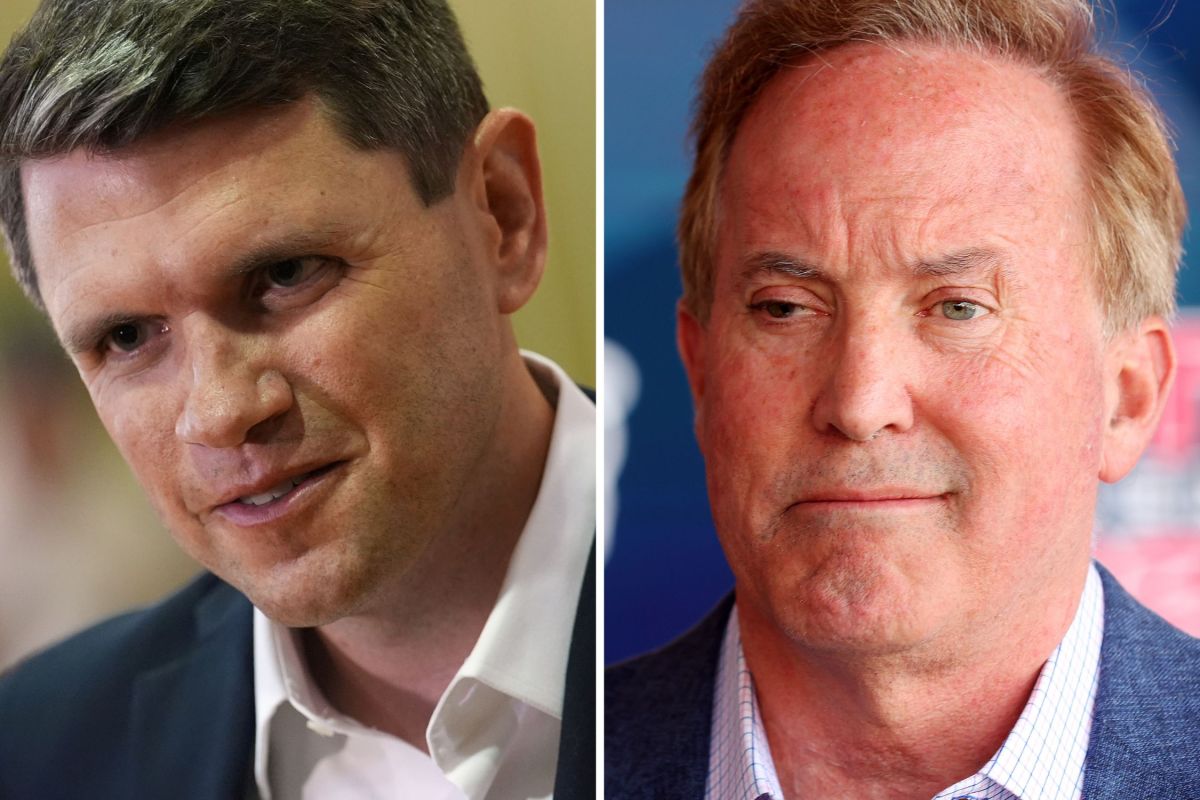
Democrat James Talarico and Republican Ken Paxton are nearly tied in the race for the Texas Senate, according to a recent poll. Governor Greg Abbott is leading in the race for governor.
Key Facts
James Talarico (Democrat) has 48% support in the Texas Senate race.
Ken Paxton (Republican) has 46% support in the same race.
The difference between them is within the poll’s margin of error, meaning the race is very close.
The poll was conducted by Emerson College Polling and The Hill.
Greg Abbott is leading in the Texas governor’s race.
The Texas Senate race is considered one of the most closely watched contests this election cycle.
Poll results indicate tight competition between the two Senate candidates in Texas.
Read the Original
Want the full story? Tap a source to open the original
article.
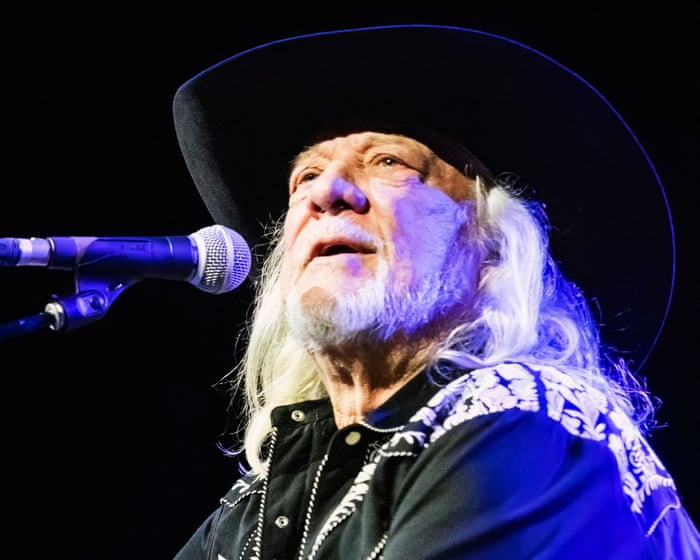
John Anderson, a well-known US country singer with five No. 1 hits, died at age 71. His career lasted nearly 50 years, and he was honored by being inducted into the Country Music Hall of Fame in 2024.
Key Facts
John Anderson was a US country singer known for traditional country music.
He had five number one hits on the country music charts.
Anderson’s family shared the news of his death on social media.
He was inducted into the Country Music Hall of Fame in 2024.
His career started in the 1970s and lasted almost 50 years.
Anderson overcame serious health problems, including almost complete hearing loss in 2017.
He continued performing live after recovering from his illness.
Anderson recorded 22 studio albums, with his latest released in 2020.
Read the Original
Want the full story? Tap a source to open the original
article.
A judge in New Mexico has ordered Meta to pay $25 billion after the company was found to have misled users about how their data was handled. The lawsuit centers on Meta’s failure to protect user privacy and its role in harmful online content, linked to past data misuse by Cambridge Analytica.
Key Facts
Meta was ordered to pay $25 billion by a New Mexico judge for misleading consumers about data privacy.
The original penalty suggested by the judge was over $219 billion but was reduced to $25 billion.
The lawsuit began in 2021 after it was revealed that Cambridge Analytica harvested data from millions of Facebook users.
Cambridge Analytica used this data to create targeted political ads during President Trump’s 2016 campaign.
New Mexico accused Meta of lying about who could access user data and tolerating harmful content for profit.
Meta plans to appeal the ruling, calling it a threat to free speech and business in New Mexico.
Meta faces other lawsuits, including one about Instagram’s impact on teen mental health and illegal collection of children’s data.
New Mexico won nearly $1 billion in previous cases against Meta related to sexual exploitation and platform safety issues.
Read the Original
Want the full story? Tap a source to open the original
article.
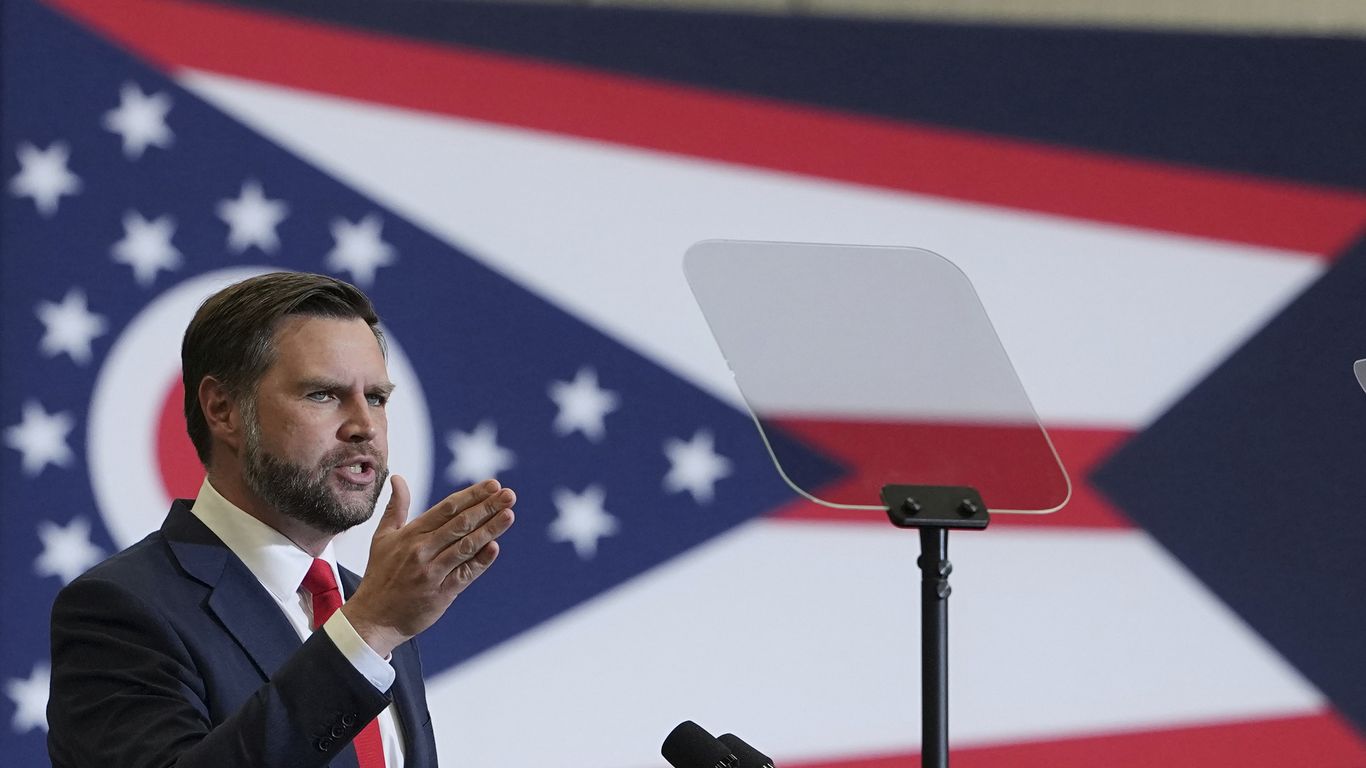
Vice President Vance defended a controversial attack ad in the Ohio governor’s race, telling fellow Republicans to “stop whining” about the criticism. He showed a firm stance of not backing down from political allies or controversies, similar to President Trump’s approach, as he prepares for a possible presidential run in 2028.
Key Facts
Vance defended an attack ad by Vivek Ramaswamy that featured the estranged mother of his Democratic opponent, Amy Acton.
The ad was criticized by both Republicans and Democrats for exploiting Acton’s traumatic childhood.
Vance said politics is tough and did not express concern about the ad’s morality, calling criticism of it “whining.”
Ohio Senator Jon Husted and former UN Ambassador Nikki Haley publicly spoke against the ad.
Acton hopes her story helps others, calling Ramaswamy “out-of-touch.”
Vance has a history of defending allies amid controversies, including refusing to denounce Marjorie Taylor Greene or Tucker Carlson.
Vance views some Republican leaders as weak for giving in to pressure from Democrats and the media.
His approach is influenced by President Trump and mentor Peter Thiel, supporting a no-apologies style in politics.
Read the Original
Want the full story? Tap a source to open the original
article.
Alaska uses a ranked-choice voting (RCV) system that lets voters rank candidates by preference instead of picking just one. This system affects the 2026 Senate race, which is important because it could decide control of the U.S. Senate and may influence election rules in other states.
Key Facts
Alaska started using ranked-choice voting in 2020 and first used it in a federal election in 2022.
In ranked-choice voting, if no candidate wins more than 50% of the votes, the lowest-ranked candidates are eliminated and their votes redistributed based on voters’ next choices.
The 2026 Alaska Senate race includes incumbent Republican Senator Dan Sullivan, Democrat Mary Peltola, and another Republican also named Dan J. Sullivan.
In the August primary, Peltola led with 49.5% of the vote, followed by incumbent Dan Sullivan with 41.4%.
Ranked-choice voting can help voters who are confused by similar candidate names by allowing them to rank both candidates.
Some criticize the system as confusing and say election results can take up to 15 days to finalize.
Supporters say ranked-choice voting leads to more voter choice, majority-supported winners, and a legislature that works across party lines.
Alaska has a large number of independent voters, making coalition-building important in elections.
Read the Original
Want the full story? Tap a source to open the original
article.
The Texas Senate race is very close between Democrat James Talarico and Republican Ken Paxton. Libertarian candidate Ted Brown could influence the outcome because his share of the votes might be about the same size as the difference between Talarico and Paxton.
Key Facts
A recent poll shows Talarico leading Paxton 48% to 46%, with Brown at 3%.
James Talarico is trying to become the first Democrat elected statewide in Texas in over 30 years.
Ken Paxton is the Texas attorney general and the Republican nominee but faces political challenges, including past impeachment and legal issues.
Ted Brown is a Libertarian who has focused on limited government and individual liberty for nearly 50 years.
Many Brown supporters are Republicans or independents; few are Democrats.
Brown may attract Republican voters unhappy with Paxton but reluctant to vote for a Democrat.
Political experts warn that Libertarian voters do not all come from one party; some would not vote if no Libertarian ran.
Brown says he faces pressure from both parties asking him to drop out because they fear he will take votes from their candidate.
Read the Original
Want the full story? Tap a source to open the original
article.
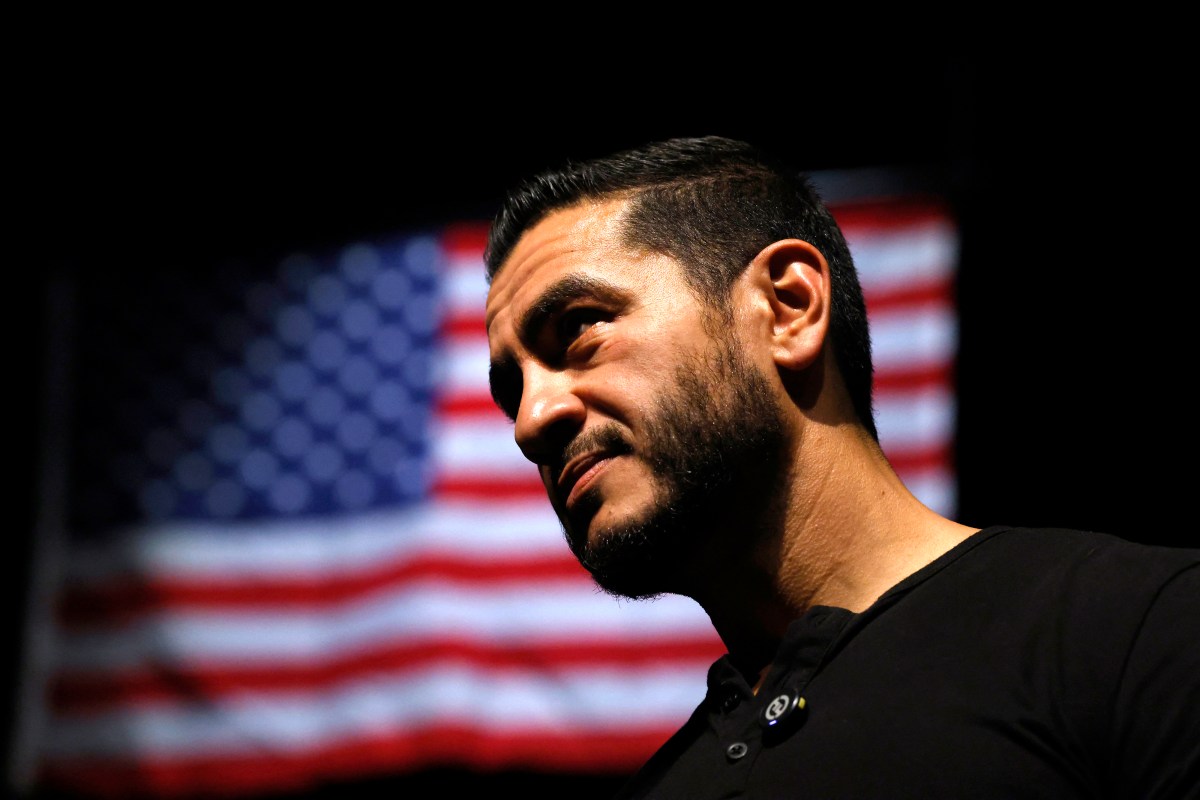
President Donald Trump made remarks targeting Abdul El-Sayed, a Muslim Democratic Senate candidate from Michigan, including calling him by the wrong name and labeling him a security threat without evidence. A report from Rutgers Law School shows that Muslim candidates in the U.S. often face suspicion, accusations, and discrimination solely because of their faith, even when they participate fully in democratic processes.
Key Facts
President Trump called Abdul El-Sayed “Muhammad” instead of his real name at a campaign rally.
Trump accused El-Sayed of being a “jihadist” and linked him to the Muslim Brotherhood without proof.
A Rutgers Law School report studied over 30 cases of Muslim candidates and officials facing discrimination from 2001 to 2026.
Muslim candidates are often accused of being security risks just because of their religion.
Even Muslim Americans born in the U.S., like Keith Ellison, have faced suspicion when running for or holding office.
Representative Nancy Mace said every Muslim in public office is a “trojan horse” and a security threat.
Muslim candidates face pressure to prove their loyalty to the country beyond what other candidates face.
Muslim participation in politics is sometimes wrongly seen as evidence of institutional infiltration or threat.
Read the Original
Want the full story? Tap a source to open the original
article.
The article discusses the challenges a parent faces when getting her children dressed for school, especially due to their differing fashion preferences. She contrasts this with school uniforms in Italy, which simplify daily clothing choices and reduce stress for families.
Key Facts
The parent’s daughters have strong opinions about what clothes are acceptable for school.
The daughters prefer oversized sweaters and baggy pants, which the parent dislikes.
Changing weather makes it hard to decide on wearing sweaters or jackets.
Carrying extra clothing items to school is seen as socially unacceptable by the children.
The parent recalls Italian school uniforms called grembiuli, simple smock-like garments worn over regular clothes.
School uniforms in Italy help eliminate daily disagreements about school clothes.
The parent believes uniforms could reduce morning conflicts over dressing in the U.S.
The article highlights how uniforms focus attention away from fashion choices and toward comfort and simplicity.
Read the Original
Want the full story? Tap a source to open the original
article.
This article describes the experience of a woman caring for both her aging mother and her young daughter at the same time. It explains the challenges of managing different family needs, respecting changing roles, and balancing care responsibilities across three generations living together.
Key Facts
The author is part of the “sandwich generation,” raising children while caring for aging parents.
Her 77-year-old mother moved in with her family after a hurricane destroyed her home.
Three generations live in one house, each with different views and parenting styles.
The mother helps with household chores, such as doing laundry, as a way to show love.
The author notices her mother’s health and memory are declining and is considering legal help to manage her care.
The mother talks openly about life insurance and preparations for the future.
The author tries to balance respecting her mother’s independence with the need for support.
The situation creates emotional challenges, including feelings of guilt and concern for both older and younger family members.
Read the Original
Want the full story? Tap a source to open the original
article.
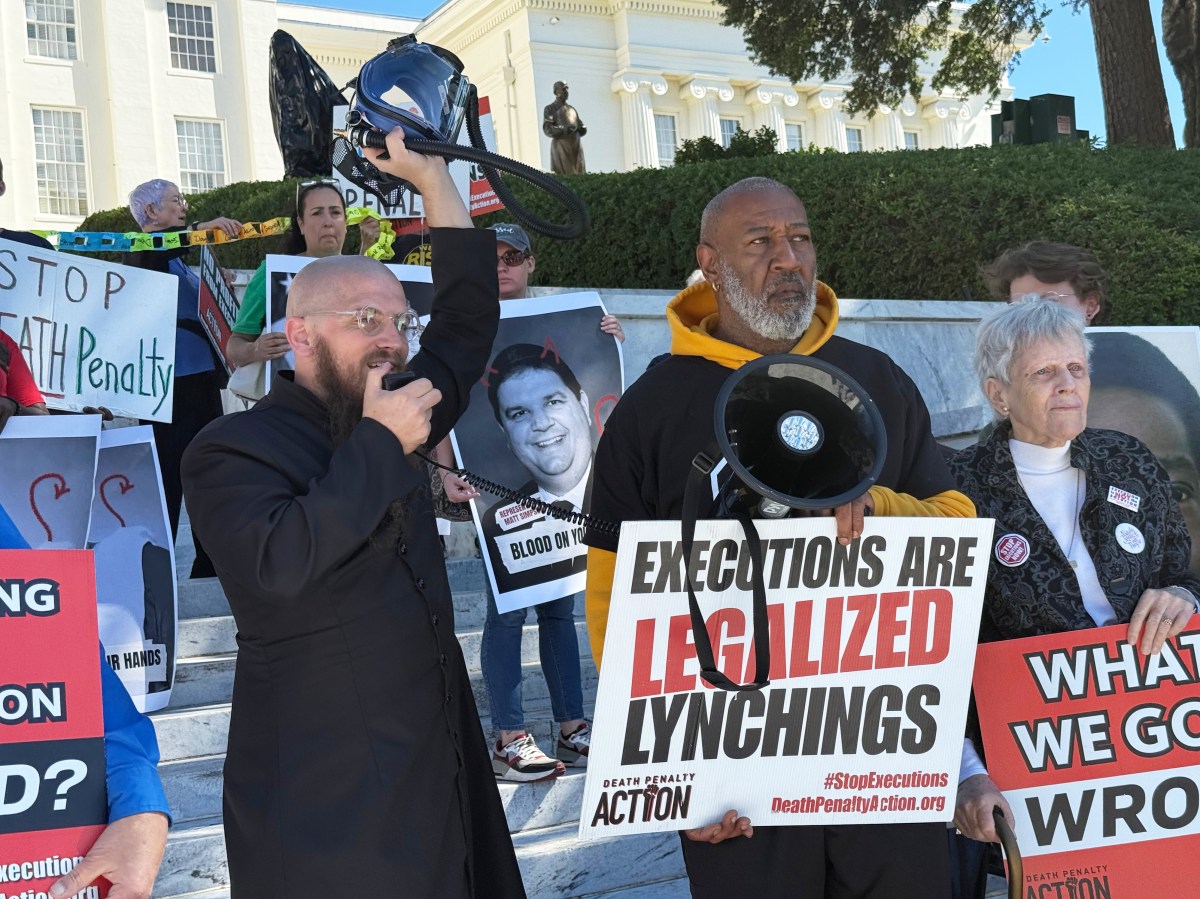
Reverend Jeff Hood is traveling across the United States to speak against the use of firing squads for executing prisoners. This comes as the military plans to carry out the first firing squad execution since World War II, following issues with lethal injection executions in some states.
Key Facts
Reverend Jeff Hood has advised more than a dozen inmates who were executed and is against the death penalty.
He started a campaign called "Firing Back" to highlight problems with firing squad executions.
The military will execute Fort Hood shooter Nidal Hasan by firing squad on December 3, the first since World War II.
President Donald Trump approved the execution and initially planned to livestream it but later canceled the livestream after public criticism.
Trump said victim families can watch the execution in person and called it justice.
Hood believes firing squads are promoted as a solution to problems with lethal injections but argues that no execution method is truly humane or painless.
Hood hopes to make the issue part of the discussion before the November midterm elections.
He warns that teaching people to use violence through executions is not a good message for the nation.
Read the Original
Want the full story? Tap a source to open the original
article.
President Donald Trump said he asked Google CEO Sundar Pichai about renaming the Atlantic or Pacific Ocean to “Trump Ocean,” but Google refused because oceans touch many countries. This follows Trump's efforts to rename some U.S.-related geographic features like the Gulf of Mexico and Lake Ontario for official U.S. use.
Key Facts
President Trump claimed he asked Google to rename the Atlantic or Pacific Ocean to “Trump Ocean.”
Google CEO Sundar Pichai reportedly declined, saying oceans cover many countries and can’t be renamed so easily.
Trump previously signed orders renaming the Gulf of Mexico to the Gulf of America and Lake Ontario to Lake America for U.S. federal use.
Google updated its maps to reflect those U.S.-only name changes but did not change names for users outside the U.S.
Trump also suggested renaming the Strait of Hormuz as the “Trump Strait.”
Name changes made by the U.S. government do not automatically get accepted internationally.
Google says it follows official government sources for map name changes.
Newsweek reached out to Google and the White House for comments, but there were no official confirmations of the conversation with Trump.
Read the Original
Want the full story? Tap a source to open the original
article.