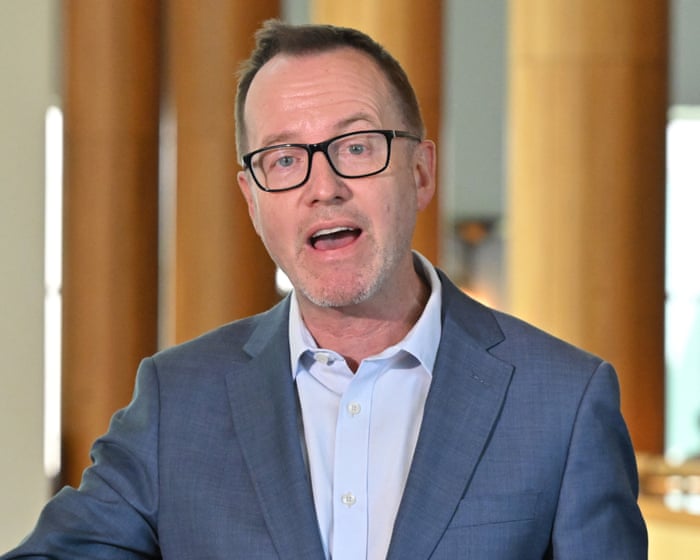
Australia’s commonwealth ombudsman says the algorithm-based Integrated Assessment Tool (IAT) has produced unfair aged care funding decisions and recommends allowing assessors to change outcomes. Greens leader David Shoebridge urged parliament to restore that power, while the government said it is reviewing the report and has introduced an escalation process for disputed decisions.
Key Facts
The ombudsman published a 104-page report on Monday and made 10 recommendations.
The IAT uses an algorithm to decide whether older people receive home support funding and at what level.
The report found that the tool has led to unfair outcomes and weakened public confidence in aged care.
The government accepted six recommendations and noted two, including proposals for human overrides and legislative changes.
The government commissioned an independent review of how the IAT assesses and prioritises people.
A new escalation pathway allows a disputed assessment to go to a delegate for review.
Ombudsman Iain Anderson said the escalation pathway may not let assessors correct decisions they consider clinically inappropriate.
An experienced aged care assessor said delegate reviews add time and administrative work because the delegate has not met the older person being assessed.
Read the Original
Want the full story? Tap a source to open the original
article.
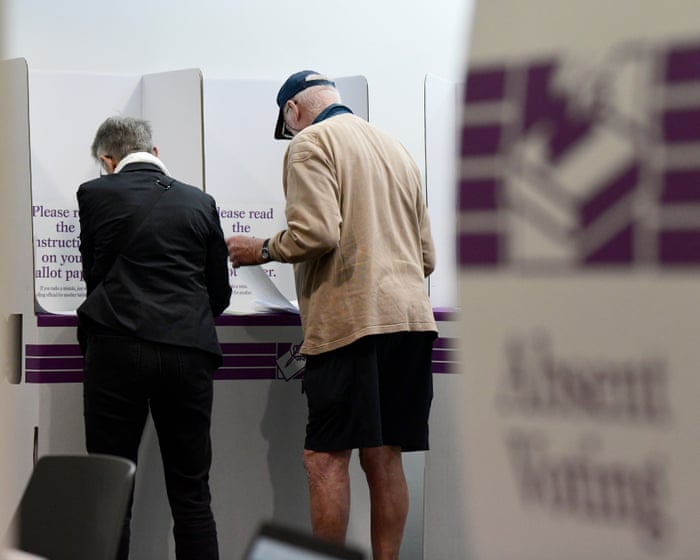
Australian MP Garth Hamilton called for a review of federal pre-poll voting arrangements after security concerns following an alleged attack on independent MP Helen Haines. A parliamentary inquiry has recommended that the Australian Electoral Commission review the duration and staffing of early voting, while the commission warned that shortening the period could create longer queues and other operational risks.
Key Facts
Hamilton said risks to voters and volunteers near roads and car parks should be assessed.
Hamilton suggested reviewing the length of pre-poll voting, resources at voting centres and the role of postal voting.
More than 9 million votes, or 56% of votes, were cast at early voting centres in the 2025 federal election, according to the Australian Electoral Commission.
The parliamentary inquiry’s interim report recommends that the commission review pre-poll voting duration and resourcing.
The commission told the inquiry that shortening the pre-poll period could compress demand and increase queues and venue shortages.
Inquiry submissions described neo-Nazi groups bringing speakers to voting booths and reports of volunteers being bullied or harassed.
MP Monique Ryan called for clearer guidance on how candidates, volunteers and campaign workers facing threats should work with police.
Read the Original
Want the full story? Tap a source to open the original
article.
A Guardian Essential poll of 1,087 Australians found Labor and One Nation tied at 28% on primary vote, with the Coalition on 23%. Disapproval of Prime Minister Anthony Albanese rose to 56%, while 61% said Australia was on the wrong track; Labor remained the most trusted party on the economy and governing.
Key Facts
The poll was conducted last week, after the alleged attack on independent MP Helen Haines.
Labor’s primary vote was 28%, down one point from September; One Nation rose to 28% from 25%, and the Coalition rose to 23% from 22%.
Albanese had 38% approval and 56% disapproval, for a net approval rating of -18.
Opposition leader Angus Taylor had 35% approval and 40% disapproval, for a net approval rating of -5.
Sixty-one percent said Australia was on the wrong track, while 25% said it was on the right track.
Asked what was most responsible for rising living costs, 32% cited government spending, 24% cited global events such as the war in the Middle East, and 19% cited supermarket price gouging.
On whether the economy serves everyday Australians, 32% trusted Labor, 29% trusted One Nation, and 18% trusted the Coalition.
Read the Original
Want the full story? Tap a source to open the original
article.
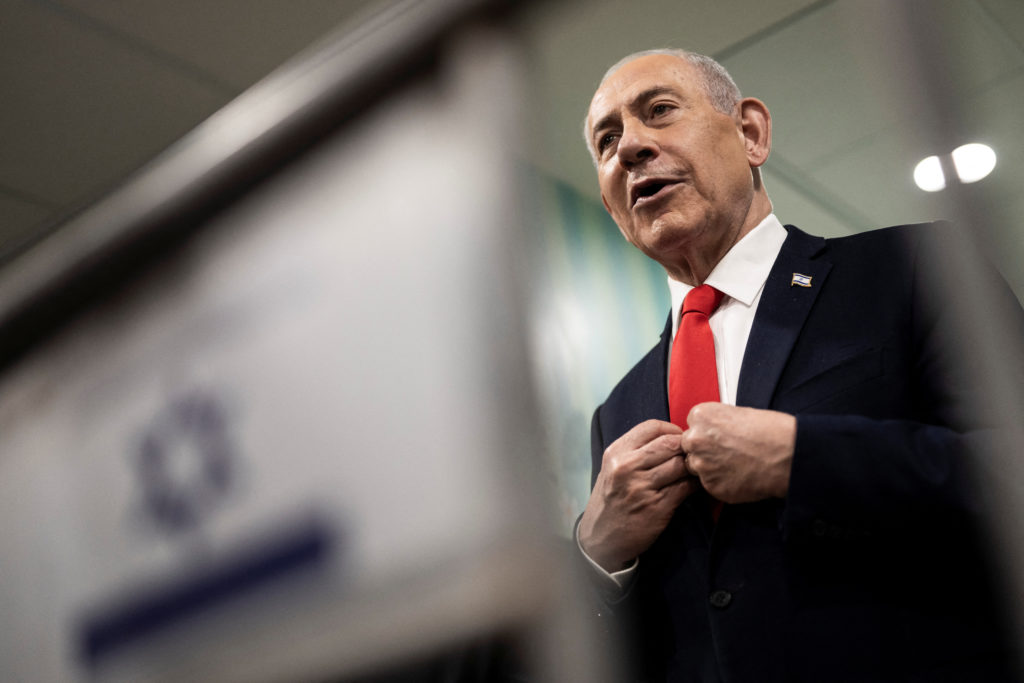
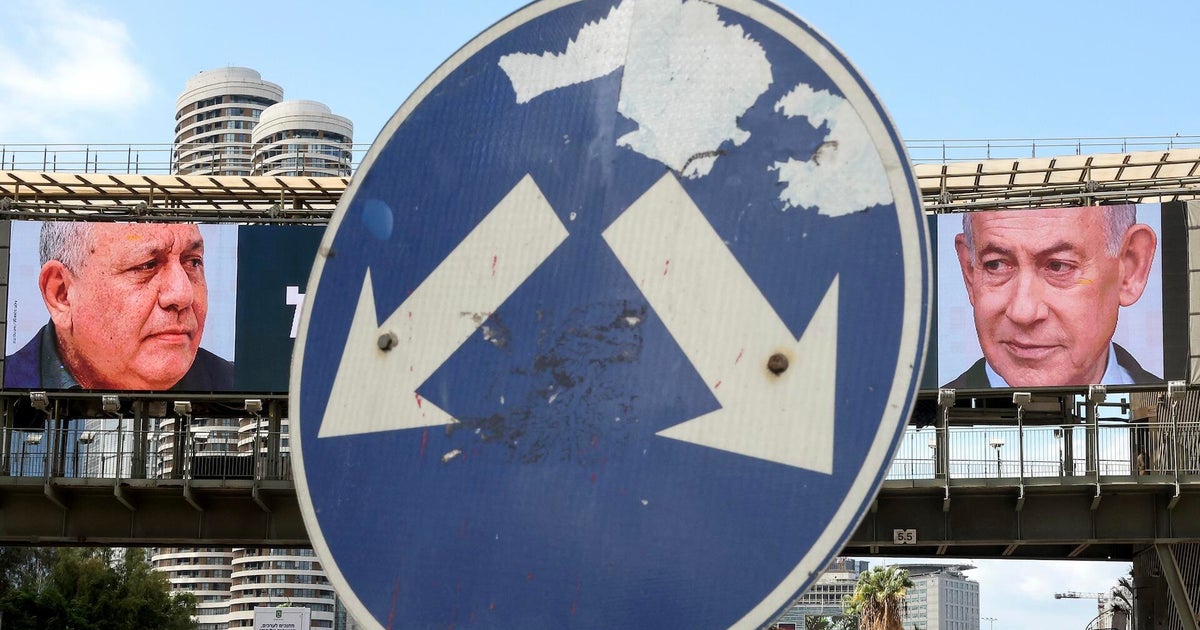
Israelis are voting in an election widely viewed as a referendum on Prime Minister Benjamin Netanyahu. Polls indicate a close contest with his main rival, former military chief Gadi Eisenkot, while parties will need to form a coalition after voting to govern.
Key Facts
The election is widely seen as a referendum on Benjamin Netanyahu, Israel's longest-serving prime minister.
Polling suggests a tight race between Netanyahu and former military chief of staff Gadi Eisenkot.
Israeli voters cast ballots for parties rather than directly choosing individual leaders.
Parties form alliances to build a majority coalition in the Knesset.
No single party has ever won a majority in Israel's parliament.
Polls are scheduled to close late Tuesday.
Coalition negotiations are expected to begin after the polls close.
Read the Original
Want the full story? Tap a source to open the original
article.
The article’s title focuses on Donald Trump’s legacy in Ukraine. The excerpt says the United States marks 250 years since its declaration of independence in 2026 and names George Washington, Thomas Jefferson, and Benedict Arnold, but gives no details about Ukraine policy.
Key Facts
The title refers to Trump’s legacy in Ukraine.
The excerpt places the discussion in the year of the United States’ 250th anniversary of declared independence.
The passage says citizens are turning their thoughts to the country’s history.
It names George Washington.
It names Thomas Jefferson.
It names Benedict Arnold.
The excerpt does not describe any specific U.S. policy or event involving Ukraine.
Read the Original
Want the full story? Tap a source to open the original
article.
Russian strikes hit Kyiv’s South Bridge and other sites, while officials reported casualties in several Ukrainian and Russian locations. Finland’s president and Norway’s prime minister held separate calls with Vladimir Putin and Volodymyr Zelenskyy ahead of planned U.S.-mediated talks in Abu Dhabi in early November.
Key Facts
Kyiv officials said overnight attacks included 16 ballistic missiles and more than 280 drones.
Ukrainian President Volodymyr Zelenskyy said Russian forces struck again while emergency crews were responding to the first attacks.
Russia’s Defence Ministry said its forces targeted transport infrastructure in Kyiv, a logistics hub in the Kharkiv region, industrial sites, and cargo vessels it said served military purposes.
Attacks caused deaths and injuries in Kharkiv and Pavlohrad, according to the article.
Officials in Russian-controlled Zaporizhzhia said a drone strike on a bus killed one person and injured 30; a drone attack in the Russian city of Bryansk killed one person and wounded six.
Finnish President Alexander Stubb and Norwegian Prime Minister Jonas Gahr Store spoke with Putin and later with Zelenskyy about de-escalation and preparations for negotiations.
Kyiv and Moscow said they had agreed to U.S.-mediated technical meetings in Abu Dhabi in early November.
Finland and Norway said their support for Ukraine would continue.
Read the Original
Want the full story? Tap a source to open the original
article.
Olive farmers in southern Lebanon face restricted access, damaged land and security risks during this year’s harvest. Farmers report working under drones and nearby airstrikes, while some crops may go unpicked because they have only a short time to reach their groves.
Key Facts
Khaled Farhat said his grove of about 200 olive trees is near Majdel Selm, roughly a 20-minute drive from the Israeli border.
Farhat said he needed to seek permission through his municipality and the Lebanese Army to reach his land.
He said he was given a two-week window to work in the grove and feared he would not finish harvesting in time.
Farmers and landowners reported unexploded ordnance, including cluster-bomb remnants, in southern olive groves.
Lebanon’s Environment Minister Tamara Elzein said more than 16,000 hectares of land had been burned since Israel began bombing Lebanon in October 2023.
The article said Israel continued to occupy nearly 630 square kilometers of southern Lebanon, including farmland and villages.
The article reported that at least two people were killed in olive groves in south Lebanon in early October.
Read the Original
Want the full story? Tap a source to open the original
article.
A Russian drone killed five people, including a 1-year-old girl, in a park in Ukraine’s Kharkiv region on Oct. 19. Photos obtained by CBS News show Starlink connectivity for Ukrainian ground-based air defense radars fell to 0.1 megabytes per second that day, after SpaceX restricted access; Ukrainian officials said the disruption hindered defenses against incoming attacks.
Key Facts
Yulia Spichak, a 34-year-old makeup artist, and four others died in the Kharkiv park strike.
The attack happened six days after SpaceX throttled Ukraine’s Starlink access.
CBS News obtained photos showing radar Starlink connectivity at 0.1 megabytes per second on Oct. 19.
A source familiar with the technology told CBS News that this speed was too low to support air defense radars.
Ukrainian officials said the restrictions affected ground-based air defense radars and drone interceptors.
Elon Musk said Ukraine had used Starlink for offensive drone strikes in violation of its terms of service.
Ukrainian officials said Starlink access was restored across the country on Saturday.
Musk said the U.S. government controlled changes to Starshield, while President Donald Trump said he did not order the Starlink restrictions.
Read the Original
Want the full story? Tap a source to open the original
article.
A localized ceasefire between Ukraine and Russia took effect Tuesday in Oleshky, a Russian-occupied town in southern Ukraine. First lady Melania Trump said last week that she had secured the temporary humanitarian agreement as residents faced shortages of food and medicine.
Key Facts
The ceasefire applies to the town of Oleshky in southern Ukraine.
Oleshky is under Russian occupation.
The localized ceasefire took effect Tuesday.
Melania Trump announced last week that she had secured the temporary humanitarian agreement.
Residents of Oleshky have faced shortages of food and medicine.
The agreement is temporary and humanitarian in purpose.
Read the Original
Want the full story? Tap a source to open the original
article.
Yulia Spichak was one of five people killed in a Russian drone strike on a park in Ukraine’s Kharkiv region last week. Her sister, Alina, spoke with CBS News about the impact on their family; the report also linked the attack’s timing to Elon Musk limiting Ukraine’s access to Starlink.
Key Facts
Yulia Spichak died in a Russian drone strike.
The strike hit a park in Ukraine’s eastern Kharkiv region last week.
Five people died in the attack.
Spichak’s sister is named Alina.
Alina spoke with CBS News correspondent Aidan Stretch about how the family has been affected.
The report said the attack came after Elon Musk limited Ukraine’s access to the Starlink network.
Read the Original
Want the full story? Tap a source to open the original
article.
A France 24 episode of Entre Nous features self-taught pastry chef Nour Kandler. She discusses combining French pastry traditions and techniques with flavors from her Middle Eastern heritage.
Key Facts
The episode is titled “Revisiting the delicate art of French patisserie.”
The program was issued on October 27, 2026.
Nour Kandler is a self-taught pastry chef.
Kandler’s approach draws on French pastry traditions.
Her pastry style also reflects flavors from her Middle Eastern heritage.
The episode is part of the program Entre Nous.
The listed producers are Rochelle Ferguson Bouyahi, Marina Pajovic and Laura Welfringer.
Read the Original
Want the full story? Tap a source to open the original
article.
A temporary ceasefire announced on October 23 around Russian-occupied Oleshky is intended to allow humanitarian aid deliveries and evacuations amid reported shortages and war damage. The White House credited First Lady Melania Trump with helping broker the truce, while the Vatican offered a different account involving the pope’s calls with the Russian and Ukrainian presidents; the article excerpt does not establish who was responsible.
Key Facts
Russia has controlled Oleshky, in Ukraine’s Kherson region, since the early days of its February 2022 invasion.
The United States estimates that 1,700 to 2,000 people remain in Oleshky, where residents and officials report shortages of food, medicine, and other supplies.
Ukrainian and Russian officials said the temporary ceasefire would enable humanitarian aid deliveries and evacuations through humanitarian corridors.
The ceasefire was scheduled to end on Sunday, and both sides said it did not amount to a broader end to hostilities.
Melania Trump said she intervened to make aid and evacuations possible; the White House said she and her representatives worked with Russian and Ukrainian leaders on the terms.
Ukrainian human rights ombudsman Dmytro Lubinets publicly thanked Melania Trump and her team for helping coordinate the talks.
The Vatican’s official newspaper published an account the morning after the White House announcement, while the article says the Vatican attributed the pause to the pope’s calls with Vladimir Putin and Volodymyr Zelenskyy.
Russia’s Ministry of Defence said it had stopped shelling toward Kherson from 4 a.m. Moscow time on Tuesday in preparation for the effort in Oleshky.
Read the Original
Want the full story? Tap a source to open the original
article.
Israelis are voting in an election shaped by unresolved wars, the 2023 Hamas attack and deep divisions over the country’s direction. Prime Minister Benjamin Netanyahu faces several parties seeking to remove him, including a bloc led by former military chief Gadi Eisenkot; polls suggest a close race.
Key Facts
More than 7 million people are eligible to vote.
Tens of thousands of voters have reportedly traveled to Israel from overseas.
Netanyahu voted shortly after midday.
Netanyahu said Arab parties were receiving strong support and turning out in unusually high numbers.
Netanyahu urged supporters to vote rather than spend the day at the beach or a barbecue.
Read the Original
Want the full story? Tap a source to open the original
article.
Russia struck Kyiv multiple times on Monday night, hours before a humanitarian ceasefire took effect in Oleshky. The truce aims to bring aid into the city and allow civilians to leave; the United States says Melania Trump helped broker it.
Key Facts
Russia struck Kyiv multiple times on Monday night.
A humanitarian ceasefire took effect in Oleshky hours after the strikes.
The ceasefire aims to bring humanitarian aid into Oleshky.
The truce also aims to let civilians leave the city.
The United States says Melania Trump brokered the ceasefire.
Read the Original
Want the full story? Tap a source to open the original
article.
Israel held its first parliamentary election since the Oct. 7, 2023, attacks, which triggered the war in Gaza. Voters are deciding whether Prime Minister Benjamin Netanyahu will remain in office; the article says results are awaited.
Key Facts
The election took place on Tuesday.
It was Israel’s first parliamentary election since the Oct. 7, 2023, attacks.
The attacks sparked Israel’s war in Gaza.
The election will determine whether Benjamin Netanyahu remains prime minister.
The article says Netanyahu was trailing in polls ahead of the election.
CBS News correspondent Matt Gutman reported on the election.
Read the Original
Want the full story? Tap a source to open the original
article.
The article argues that U.S. sanctions against the International Criminal Court undermine justice. It says the United States is imposing costs on people or institutions seeking to uphold international law.
Key Facts
The article concerns U.S. sanctions against the International Criminal Court.
The title says the sanctions undermine justice.
The article says the United States is imposing costs on others.
It links those costs to attempts to uphold international law.
The article frames the U.S. actions as more than a refusal to uphold international law.
Read the Original
Want the full story? Tap a source to open the original
article.
The Netherlands will not take part in the 2027 Eurovision Song Contest, the public broadcaster NPO said, citing public sensitivities around Israel’s participation. NPO had previously said it would handle the country’s entry after broadcaster AVROTROS announced a boycott, but it later reversed that decision; Dutch public channels will still air the contest.
Key Facts
NPO announced the withdrawal after consulting the board of broadcasters.
NPO media director Jurre Bosman said Israel’s participation causes discussion and division in Dutch society.
AVROTROS said in August that the contest could no longer be considered neutral and would not take part.
NPO said last month that it would take responsibility for the Dutch entry, then changed course on Tuesday.
NPO executive chairman Jet de Ranitz said the contest would still be broadcast on Dutch public channels.
The Netherlands also boycotted the 2026 contest, along with Iceland, Spain, Ireland and Slovenia.
Ireland has announced it will also skip the 2027 contest, while Czech broadcaster cited spending cuts for its withdrawal.
Bulgaria will host Eurovision 2027 in Burgas after Bulgarian singer Dara won the 2026 contest in Vienna.
Read the Original
Want the full story? Tap a source to open the original
article.
Chris Packham and environmental groups are urging the UK chancellor to reduce a planned £24bn in government support for carbon capture and storage (CCS) and protect funding for household heat pumps and other measures. They say CCS projects are costly and uncertain, while supporters argue the technology could cut emissions from industries that are difficult to decarbonise.
Key Facts
Packham called CCS a “tech fairytale” and said the planned public spending exceeds the combined plans of the US, EU, Norway and Japan.
The government’s £24bn CCS support plan backs projects developed by major oil companies, including BP and Equinor.
The appeal comes as the government reportedly plans to reduce grants for households replacing gas boilers with electric heat pumps.
Heating buildings produces around one-fifth of the UK’s greenhouse gas emissions, according to the article.
CCS aims to capture carbon dioxide emissions and pipe them into underground storage.
Some CCS projects have worked, but other high-cost projects have stalled or delivered less carbon savings than expected.
Work has begun on the East Coast Cluster near Teesside and Humberside and the HyNet Cluster near Merseyside and north Wales.
A second phase of government support includes £200m for the Acorn project in Aberdeenshire, alongside £80m from the Scottish government.
Read the Original
Want the full story? Tap a source to open the original
article.
Iranian President Masoud Pezeshkian met Qatar’s Emir Sheikh Tamim bin Hamad Al Thani in Moscow during the Gas Exporting Countries Forum, according to Iranian state media. The leaders discussed bilateral political, economic and energy cooperation; Qatar also said it was supporting mediation efforts to help resolve tensions involving Iran and the United States.
Key Facts
The meeting took place on the sidelines of an energy forum in Moscow.
Iranian state media said the leaders reviewed relations between Tehran and Doha.
They discussed expanding political and economic ties and cooperation in energy.
The report did not mention whether the leaders discussed the US-Israel war on Iran.
The article says Iranian strikes have targeted sites across the region, including in Qatar.
Qatar has been involved in mediation efforts to end the war, according to the article.
A Qatari foreign ministry spokesman called on Iran to stop threatening Gulf states.
The spokesman said a Qatari delegation visited Tehran to support mediation and help pave the way for a resolution with the United States.
Read the Original
Want the full story? Tap a source to open the original
article.
The Court of Appeal increased the prison terms of Klevi and Nivalda Pirjani, who were convicted over the death of their three-month-old son, Miguel. The court said their original sentences were unduly lenient, citing repeated assaults and the fatal attack.
Key Facts
Klevi Pirjani’s minimum prison term rose from 19 years to 21 years and six months.
Nivalda Pirjani’s minimum prison term rose from 15 years to 17 years and nine months.
Miguel was 13 weeks old when he was taken to Alder Hey Children’s Hospital in November 2024 with severe head injuries.
He died five days after being admitted.
Medical findings showed Miguel had 41 bone fractures from at least four separate incidents.
The Attorney General referred the original sentences to the Court of Appeal as unduly lenient.
The court said the parents subjected Miguel to routine assaults that grew more severe.
The parents were unable to establish which of them inflicted the fatal injuries.
Read the Original
Want the full story? Tap a source to open the original
article.