UK newspapers focus on Home Secretary Shabana Mahmood’s revised plans for migrant care workers seeking permanent settlement. They also report on a cyberattack affecting supermarkets in Europe and concerns about rising U.S. petrol prices ahead of the midterm elections.
Key Facts
Mahmood revised plans that would have required foreign care workers already in the UK to wait 15 years before applying for permanent settlement.
Under the reported change, care workers already in the UK can apply after five years; the i Paper says about 280,000 people could be exempt from the longer wait.
The i Paper reports that applicants must meet four conditions, including having a spotless criminal record.
Several newspapers describe the revision as a retreat after opposition from lawmakers and others; the Guardian says some migrants may still face retrospective rules requiring a 10-year wait.
Newspapers report that a cyberattack affected supermarket systems in several European countries, with food discarded after freezers were reportedly heated to 50C.
The Financial Times reports that U.S. petrol prices are forecast to reach a record high before the midterm elections.
An FT nationwide survey found nearly 70% of voters disapprove of how President Donald Trump has handled inflation and the cost of living.
The Independent reports a warning from a prisons inspector about conditions in UK jails, including inmates staying in bed and drugs arriving by drone.
Read the Original
Want the full story? Tap a source to open the original
article.
North Korea denied U.S. allegations that it was responsible for stealing more than $6 billion in cryptocurrency from Binance. Kim Yo Jong called the allegations a political provocation and warned that U.S. hostility could affect future diplomatic engagement.
Key Facts
The FBI said a North Korean state-sponsored group known as TraderTraitor was responsible for the Binance attack.
Kim Yo Jong, the sister of North Korean leader Kim Jong Un, issued the denial through state news agency KCNA.
Kim called the U.S. allegations “absurd rhetoric” and accused Washington of portraying North Korea as a cybercriminal state.
The FBI said the stolen assets were being converted to Ethereum and could be laundered further.
Binance said it had covered most of the stolen assets using company funds.
Kim said North Korea would reconsider unspecified issues in light of what she described as U.S. hostility.
The article said North Korea had not publicly responded to Donald Trump's offers to resume summit diplomacy.
Read the Original
Want the full story? Tap a source to open the original
article.
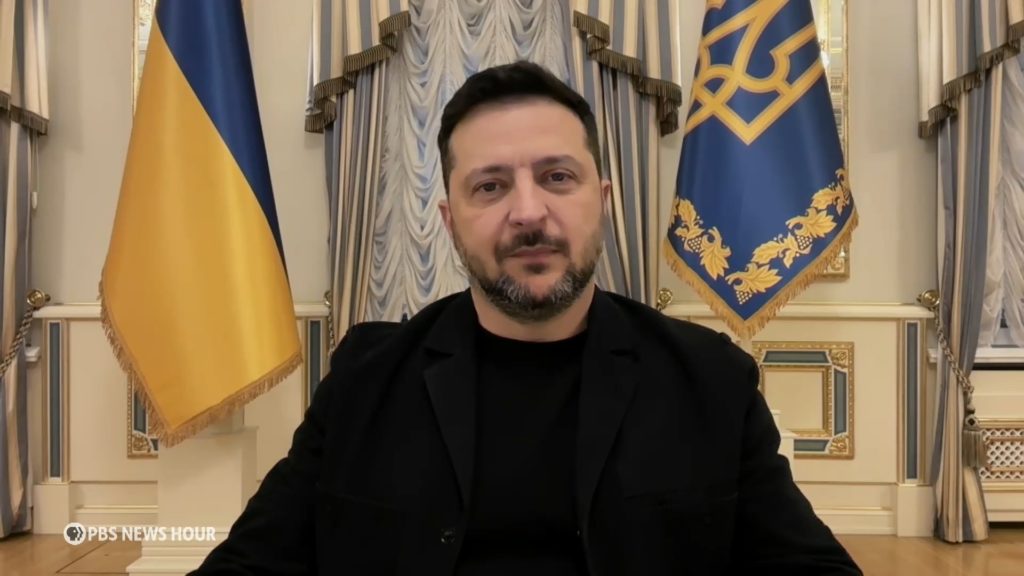
A Russian strike hit an aid station and shelter in southern Ukraine on Monday, killing at least 26 people, the article says. Before the strike, Ukrainian President Volodymyr Zelenskyy spoke with Amna Nawaz about his relationship with President Donald Trump and the war, which the article describes as stalled on the battlefield and at the negotiating table.
Key Facts
A Russian strike hit an aid station and shelter in southern Ukraine on Monday.
The strike killed at least 26 people.
The article describes the attack as part of a continuing series of Russian strikes on Ukrainian cities and civilians.
Amna Nawaz interviewed Ukrainian President Volodymyr Zelenskyy before the bombing.
The interview covered Zelenskyy's relationship with President Donald Trump and the fight against Russia.
The article describes the war as at a stalemate on the battlefield and at the negotiating table.
Read the Original
Want the full story? Tap a source to open the original
article.
Asia-Pacific governments and businesses are watching the U.S. midterm elections as the Iran war and U.S. tariffs strain the region. Analysts say a Democratic-controlled Congress could investigate the war but is unlikely to end it or substantially change trade policy, since President Donald Trump can veto legislation and Congress lacks the votes to override him.
Key Facts
The U.S. midterm elections are scheduled for Tuesday, November 3, 2026.
Democrats are poised to take the House of Representatives and may take the Senate from the Republicans, according to the article.
The article says Iran closed the Strait of Hormuz after U.S. and Israeli strikes, disrupting oil and gas supplies to Asia-Pacific countries.
The Philippines, which gets more than 90 percent of its crude oil imports from the Gulf, has been under a national energy emergency since March.
Cambodia, Laos, Myanmar and East Timor have faced pressure on foreign exchange reserves from higher fuel costs, while Indonesia, Malaysia, Thailand and Vietnam have spent heavily on fuel subsidies, according to ISEAS-Yusof Ishak Institute.
The article says the Supreme Court struck down Trump’s earlier reciprocal tariffs in February; in July, his administration imposed new tariffs on goods from 60 trading partners, citing imports made with forced labour.
Analysts say Congress could hold oversight hearings on the Iran war, but Trump could veto legislation limiting military operations or funding, and overriding a veto requires a two-thirds majority in both chambers.
Read the Original
Want the full story? Tap a source to open the original
article.
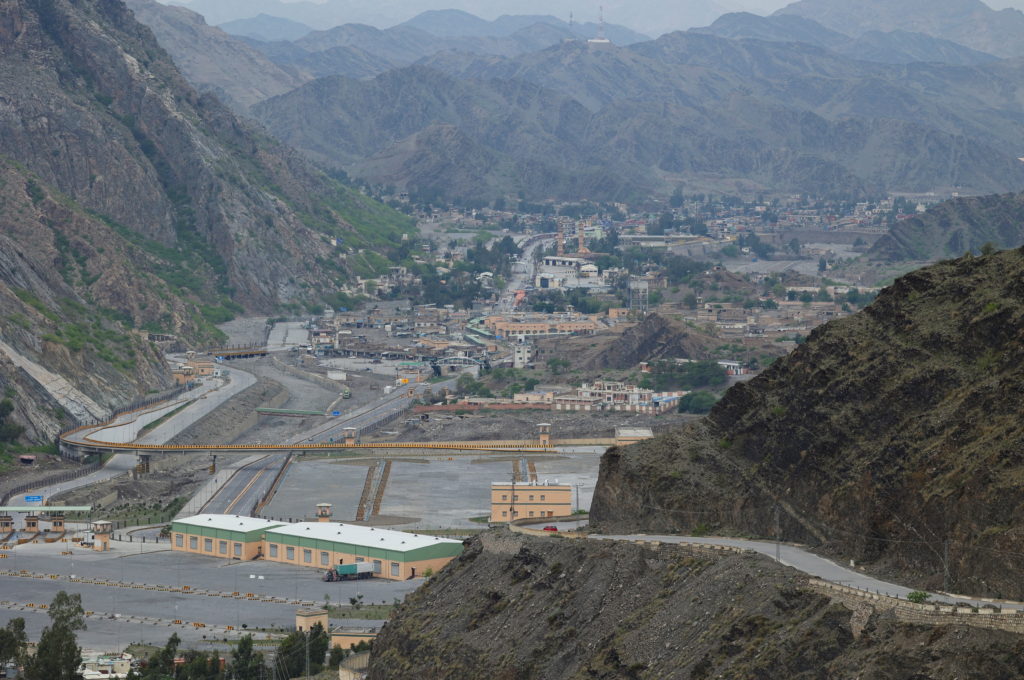
The Trump administration is preparing to deport at least 150 Afghans within 48 hours, first sending them to Pakistan and then to Taliban-controlled Afghanistan. Advocates warn that many are relatives of people who worked with the United States and could face severe retaliation if returned.
Key Facts
The administration is preparing to deport at least 150 Afghans.
The deportations are expected to begin within 48 hours.
The planned route is first to Pakistan and then to Afghanistan.
The destination is controlled by the Taliban.
Many of the Afghans facing deportation are relatives of people who worked alongside the United States.
Advocates warn that returnees could face severe retaliation from the Taliban.
Shawn VanDiver of Afghan Evac discussed the issue with Nick Schifrin.
Read the Original
Want the full story? Tap a source to open the original
article.
Wildfires in Indonesia’s Kalimantan, Papua and Sumatra have sent toxic haze into Singapore and Malaysia, where the pollution has caused health problems and lasted for weeks. The crisis has fueled public anger and strained ties with Indonesia, while Singapore and Indonesia have agreed to create a joint task force to address the haze.
Key Facts
The article links the fires to industrial land clearing and says severe El Niño conditions worsened drought in Indonesian forests and peatlands.
The haze has affected people in Singapore and Malaysia, with reports of respiratory illnesses and headaches.
In Malaysia, some residents began boycotting Indonesian products after a lawmaker urged sanctions against companies linked to the fires.
Singapore has set up hundreds of haze shelters and is distributing masks to children, older people and other vulnerable residents.
Singapore says it is reviewing haze laws and investigating 10 Singapore-registered companies for possible links to the fires.
Singapore Foreign Minister Vivian Balakrishnan met Indonesian President Prabowo Subianto in Jakarta, and the two countries announced a joint task force.
Singaporean Senior Minister K. Shanmugam criticized an Indonesian official’s remarks that the fires were beyond human control and that neighboring countries benefited from oxygen produced by Indonesian forests.
Indonesia announced it would reduce gas exports to Singapore, according to the article.
Read the Original
Want the full story? Tap a source to open the original
article.
A tornado struck a beach resort restaurant in Castellaneta Marina in southern Italy, tearing off metal roofing and flattening the restaurant. Emergency teams secured the area and cleared debris, and no injuries were reported.
Key Facts
The tornado hit Castellaneta Marina in southern Italy.
Surveillance footage captured the storm striking a beach resort restaurant.
The tornado tore off the restaurant’s metal roofing.
The restaurant was flattened.
Emergency teams secured the area.
Teams cleared debris from the site.
No injuries were reported.
Read the Original
Want the full story? Tap a source to open the original
article.
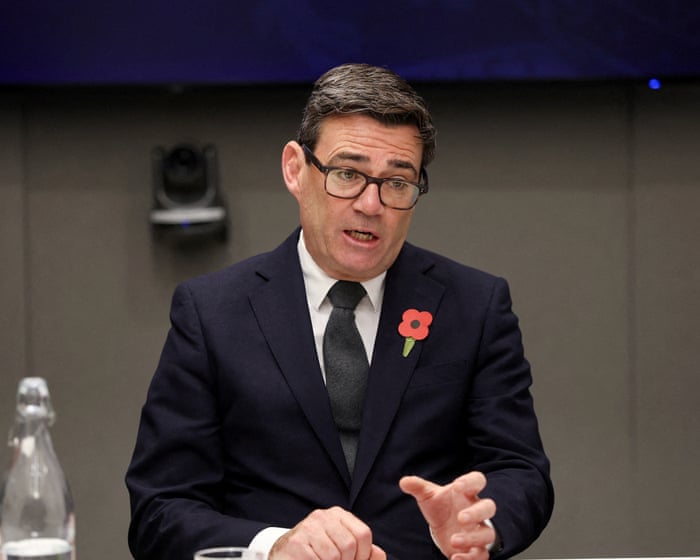
Prime Minister Andy Burnham is expected to propose a structured dialogue with countries and communities affected by Britain’s role in the transatlantic slave trade to help shape a possible formal apology. The proposal is due to be discussed at the Commonwealth summit in Antigua and Barbuda; the UK government has ruled out reparations but is expected to outline debt restructuring plans for countries facing high borrowing costs.
Key Facts
Burnham is attending the Commonwealth heads of government summit in Antigua and Barbuda, which begins Tuesday.
Downing Street says the UK will open a structured dialogue on what form a formal apology might take.
The government says countries and communities most affected should help shape the apology rather than the UK deciding unilaterally.
The UK has ruled out paying reparations after an apology.
Burnham is expected to present plans for debt restructuring for countries facing higher debt costs.
Former prime minister Tony Blair expressed deep sorrow about the slave trade and Britain’s role in it in 2006, but did not issue a formal apology.
The Foreign Office will lead discussions on the form of a possible apology.
UK officials at the summit said other Commonwealth countries had responded positively to the proposed dialogue.
Read the Original
Want the full story? Tap a source to open the original
article.
Cyber attacks hit emergency alert systems in Russia and Ukraine overnight, broadcasting fake warnings of possible nuclear strikes. The systems have been brought back under control, but the perpetrators and other details remain unknown. Security expert Melanie Garson said such attacks can weaken public trust in governments’ ability to provide reliable information.
Key Facts
Emergency alert systems in Russia and Ukraine were hit by cyber attacks overnight.
The attacks broadcast fake warnings of possible nuclear strikes to users in both countries.
Authorities brought the affected systems back under control.
The article says it remains unclear who carried out the attacks.
Melanie Garson is an associate professor of international security at University College London.
Garson said the attacks are designed to undermine faith in governments’ ability to provide trustworthy information.
Read the Original
Want the full story? Tap a source to open the original
article.
The article says President Donald Trump and Russian President Vladimir Putin are reportedly trying to pressure Ukraine into concessions before the Nov. 3 midterm elections. It links the reported effort to a possible change in congressional control in January.
Key Facts
The article refers to the Nov. 3 midterm elections.
Donald Trump is identified as the U.S. president.
Vladimir Putin is identified as Russia’s president.
The article reports that Trump and Putin are attempting to pressure Ukraine.
The reported pressure aims to secure concessions from Ukraine.
The article says the effort is taking place ahead of a possible shift in congressional power in January.
Read the Original
Want the full story? Tap a source to open the original
article.
The UK government eased proposed settlement rules for some migrant care workers after Labour MPs and unions opposed the original plan. Workers who arrived before May 2025 and earn at least £25,000 a year can qualify for settlement after five years, but the rules will still apply retrospectively to other affected people.
Key Facts
The original proposal would have made many social care workers wait 15 years to qualify for settlement.
Under the revised plan, social care workers who arrived before May 2025 and earn at least £25,000 a year can qualify after five years.
The government did not change the retrospective element of the plans.
The article says about 500,000 people will have their path to settlement delayed under the announced plans, compared with about 800,000 under the original proposal.
Labour MP Rachael Maskell gave some of the strongest criticism in the House of Commons.
Angela Rayner had criticized changing settlement expectations for people already in the UK, calling it “un-British” and saying the government should not shift “the goalposts.”
Conservative MP Chris Philp accused Home Secretary Shabana Mahmood of making a significant U-turn.
Read the Original
Want the full story? Tap a source to open the original
article.
Ukrainian President Volodymyr Zelensky said intelligence indicates Russia is preparing a large attack on Ukraine. He warned that Russia could time the attack to coincide with Tuesday’s U.S. midterm elections, with energy and logistics among the expected targets.
Key Facts
Zelensky said Ukraine has intelligence that Russia is preparing a new large-scale attack.
He said the attack could coincide with the U.S. midterm elections on Tuesday.
Zelensky shared the warning in a social media statement.
He said Russia would primarily target energy and logistics.
The warning concerns a possible Russian attack on Ukraine.
Read the Original
Want the full story? Tap a source to open the original
article.
The article reviews President Donald Trump’s foreign policy since returning to office, contrasting his promise to keep the United States out of foreign wars with his administration’s involvement in conflicts and diplomatic disputes. It says his efforts to end Russia’s war in Ukraine have not succeeded and that his statements about Greenland have strained relations with Denmark and other NATO allies.
Key Facts
Trump campaigned on an “America First” policy and promised to end the war in Ukraine on his first day back in office.
The war in Ukraine continued into its fifth year, and no agreement emerged from Trump’s discussions with Russian President Vladimir Putin at a summit in Alaska.
In February 2025, Trump and Vice-President JD Vance criticized Ukrainian President Volodymyr Zelensky in a meeting at the White House.
The United States temporarily suspended military assistance and intelligence sharing with Ukraine after the February 2025 confrontation.
Ukraine sought more Patriot air defence systems, but deliveries were limited amid low U.S. stockpiles.
Trump said the United States needed Greenland for national security and in January 2026 declined to rule out using military force to take control of it.
Denmark and Greenland said Greenland was not for sale; some NATO countries deployed military personnel to the territory, and Trump threatened tariffs against countries opposing his plans.
Read the Original
Want the full story? Tap a source to open the original
article.
High school students in France resumed protests as pupils returned from a two-week break. Dozens of schools were blockaded, and students said they would keep protesting until their demands were met.
Key Facts
High school students in France resumed protests.
The protests took place as pupils returned from a two-week break.
The protests were on a smaller scale than before.
Dozens of schools were blockaded.
Students said they would continue protesting until their demands were met.
Read the Original
Want the full story? Tap a source to open the original
article.
Uganda has begun drawing down troops from its peacekeeping mission in Somalia, according to a France 24 program. The move comes days after the United Nations ended its political mission in Somalia.
Key Facts
Uganda has started withdrawing troops from its mission in Somalia.
The withdrawal began days after the UN ended its political mission in Somalia.
The article provides no details on the number of troops involved or the withdrawal timeline.
The report appeared on France 24’s Africa program on November 2, 2026.
Read the Original
Want the full story? Tap a source to open the original
article.
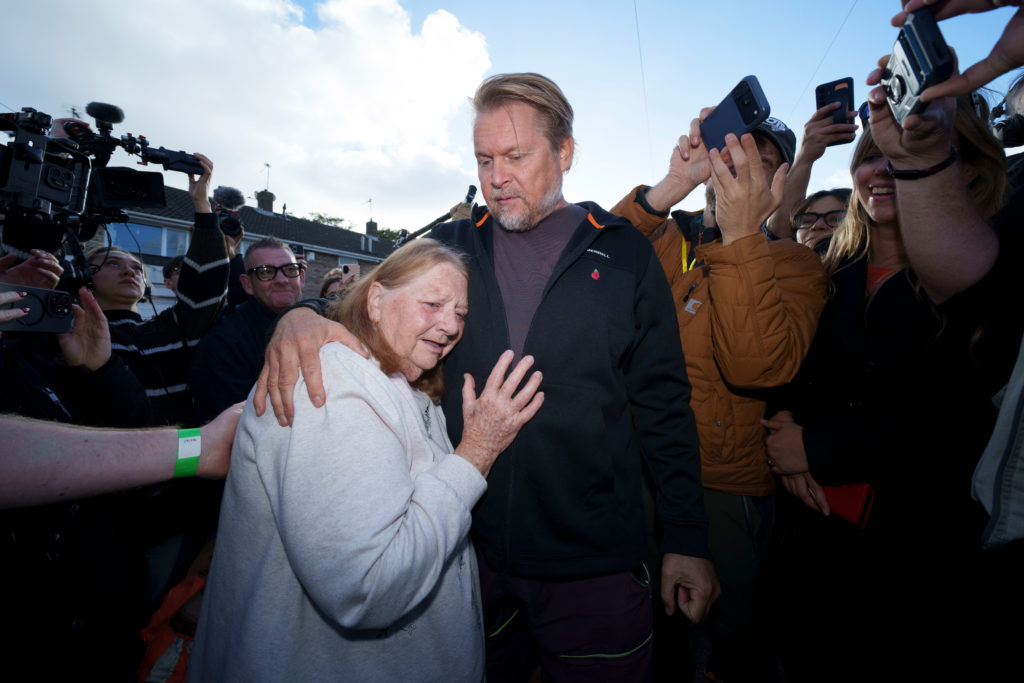
Karl Bushby returned to his home in Hull, England, on Monday, completing a 28-year journey to walk around the world. He covered about 31,000 miles across four continents and 30 countries, with delays caused by dangers, funding problems, the COVID-19 pandemic and border restrictions.
Key Facts
Bushby began his journey in Punta Arenas, Chile, on Nov. 1, 1998, at age 29.
He returned to Hull at age 57 and embraced his mother, Angela.
Bushby said he walked about 31,000 miles, or 50,000 kilometers, across four continents and 30 countries.
He crossed the Bering Strait over shifting ice and swam across the Caspian Sea and English Channel to avoid using transport.
He faced dangers including armed conflict in Colombia, freezing waters and a standoff with a polar bear.
Authorities jailed Bushby for 18 days after he crossed a restricted border zone in Panama.
Visa problems and weather stretched his journey through Russia over almost 10 years.
The 2008 financial crash, the COVID-19 pandemic and border bureaucracy interrupted the trip.
Read the Original
Want the full story? Tap a source to open the original
article.
British explorer Karl Bushby has returned to his hometown of Hull after a 28-year journey spanning about 50,000 kilometres across four continents. He told France 24 that political and bureaucratic barriers were often harder to overcome than physical challenges, and that help from strangers, communities and governments supported his trip.
Key Facts
Bushby spent 28 years travelling before returning to Hull.
His journey covered about 50,000 kilometres and four continents.
His route included crossings of the Bering Strait, the Caspian Sea and the English Channel.
Bushby said bureaucracy and political boundaries created major obstacles.
He credited strangers, communities and governments with helping him along the way.
Bushby said Britain felt almost like a new country after his long absence.
Read the Original
Want the full story? Tap a source to open the original
article.
Initial counts from Bulgaria’s presidential runoff showed acting President Iliana Yotova leading with about 58% of the vote, while Andrey Gyurov conceded defeat. If official results confirm the outcome, Yotova will become the country’s first elected female president.
Key Facts
Polling agencies’ initial counts put Yotova at about 58% and Gyurov at about 38%.
Gyurov conceded and said voters’ choice should be accepted.
Official results were expected on Monday.
Yotova took over the presidency in January after Rumen Radev stepped down to run for parliament.
Radev’s Progressive Bulgaria party endorsed Yotova and won 131 of Parliament’s 240 seats in April’s election.
Yotova has supported Bulgaria’s European path while calling for better relations with Russia and a diplomatic settlement to the war in Ukraine.
Bulgaria’s president serves a five-year term, leads the armed forces, can veto legislation, and appoints ambassadors.
Read the Original
Want the full story? Tap a source to open the original
article.
The Western Sahara dispute began more than 50 years ago as Spanish colonial rule ended. Morocco and the Polisario Front both claim the territory, and recent U.S. and Russian opposition to proposals to extend a United Nations peacekeeping mission’s mandate has raised questions about the risk of renewed fighting.
Key Facts
The Western Sahara dispute began with the end of Spanish colonial rule in the region.
Morocco and the Polisario Front both claim Western Sahara.
The United Nations pursued a settlement in the 1990s and deployed a peacekeeping mission to the region.
Last week, Russia and the United States blocked proposals to extend the mission’s mandate.
The article asks whether the failure to extend the mandate could lead to renewed fighting.
The program featured political analyst Samir Bennis, University of Exeter lecturer Irene Fernandez-Molina, and Sahrawi human rights advocate Mahjoub Mleiha.
Read the Original
Want the full story? Tap a source to open the original
article.
Grocery stores in at least eight European countries were hit by a suspected cyberattack on freezer systems. The European Union called the incident a deliberate attempt to disrupt food supplies, and retailers discarded food after refrigeration temperatures rose overnight.
Key Facts
The attack affected grocery stores from Sweden to Portugal on Monday.
At least eight countries were affected, including Belgium, Estonia, Finland, Ireland, Luxembourg and the Netherlands.
The attack targeted supermarket freezer systems.
Rising refrigerator temperatures spoiled or put food at risk of spoiling.
Retailers were forced to discard affected produce.
The incident occurred three weeks after a cyberattack disrupted French grocery stores.
Read the Original
Want the full story? Tap a source to open the original
article.