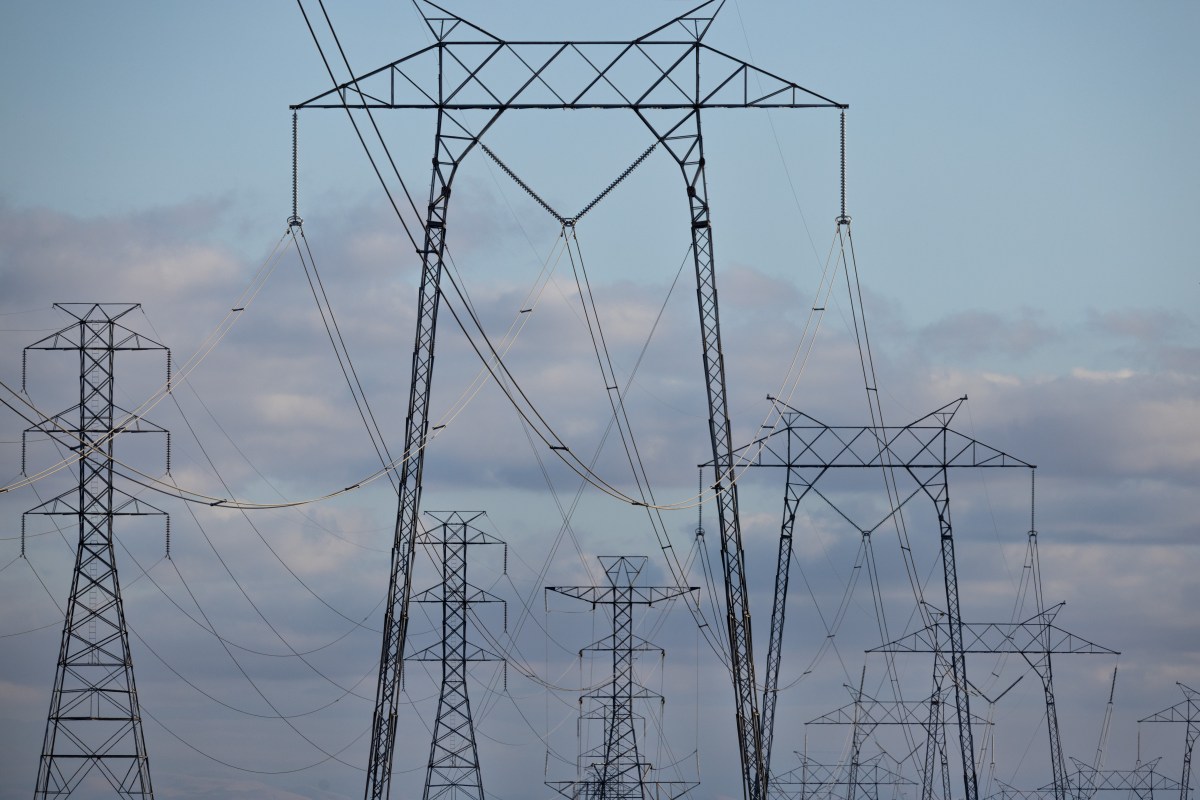
The largest U.S. power grid operator, PJM Interconnection, says growing electricity use by data centers is making it harder to keep the grid reliable. Their constant power use and changing weather reduce the time available for necessary maintenance, increasing the risk of power shortages.
Key Facts
PJM Interconnection coordinates electricity in 13 states and the District of Columbia.
Data centers use a large, steady amount of electricity all year, unlike other users whose use changes with the weather.
Traditional low-demand seasons in spring and fall, used for maintenance, are now less available due to steady data center demand and longer hot or cold weather.
This situation shrinks reserve power and leaves little margin for mistakes in the grid.
The Department of Energy issued emergency orders for PJM to reduce blackout risks during high-demand times and maintenance seasons.
PJM is trying to add more power supply and remove state rules that delay new energy projects.
The Federal Energy Regulatory Commission blocked a PJM plan that would let new data centers connect without adding new power plants but agreeing to possible power cuts in emergencies.
PJM wants large users like data centers to help maintain grid reliability by making commitments to support the system.
Read the Original
Want the full story? Tap a source to open the original
article.
The use of peptides in health treatments is growing quickly, but there is concern about safety and reliability. Many peptide products are not fully tested or approved, and patients may not have clear information about their risks or effectiveness.
Key Facts
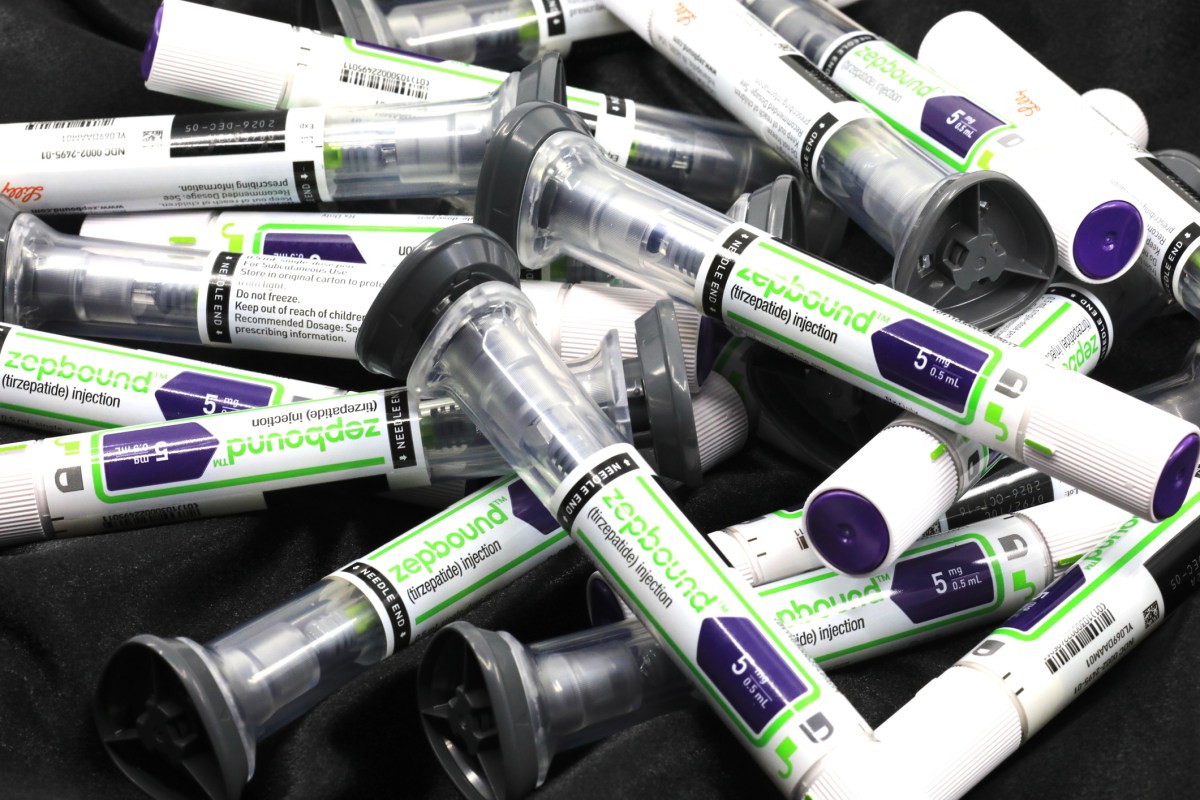
The U.S. Food and Drug Administration (FDA) has received numerous adverse-event reports linked to compounded semaglutide and tirzepatide, two peptide-related drugs.
Peptides are molecules involved in various health areas like muscle recovery, weight management, and longevity, but not all have proven medical benefits.
Some peptides are approved medicines, while others remain experimental or lack strong evidence to support their use.
There is a rapid increase in public interest and market growth for peptide treatments, sometimes ahead of proper safety assessments.
Consumers may struggle to judge the quality or safety of peptide products based on labels or online claims.
The FDA warns about risks with unapproved peptides that fall outside official drug approval pathways.
Regulators face challenges balancing public demand for new treatments with the need for proven safety and effectiveness.
Personal experiences, like the author’s hospitalization from a contaminated peptide, highlight potential dangers but are not scientific proof for all products.
Read the Original
Want the full story? Tap a source to open the original
article.
Technology is moving towards allowing people to use their voice to communicate with computers, instead of typing on keyboards or touchscreens. This change is becoming common, with millions using voice-based AI systems that can listen, respond, and perform tasks through natural speech.
Key Facts
For many years, people have used keyboards and touchscreens to interact with computers.
AI technology now enables communication with computers using natural spoken language.
Half of some engineers’ work can now be done through voice commands on mobile devices.
Over 150 million people use ChatGPT weekly through voice and dictation features.
New AI tools can handle interruptions and manage complex tasks in spoken conversations.
Tesla cars have added voice AI to allow hands-free control.
Speaking is much faster than typing: average speech is about 150 words per minute, while typing averages around 30-38 words per minute.
Businesses need to update their systems to include voice technology or risk losing customers.
Read the Original
Want the full story? Tap a source to open the original
article.
Polymarket, a prediction market platform, saw over $600 million in trades on election-related markets after the actual elections had ended. Much of this trading involved repeated buying and selling between the same accounts, a practice known as wash trading, which can create false impressions of market activity.
Key Facts
Polymarket had trading worth more than $600 million on global election markets after elections concluded.
Most trades focused on candidates who did not win or on outdated election events.
Ethiopian Prime Minister Abiy Ahmed’s victory was clear, but very little trading occurred on his win; most volume focused on losing candidates.
About $284 million of the trades were between pairs of accounts repeatedly buying and selling to each other, indicating possible manipulation.
Polymarket identified suspicious activity, stopped the involved accounts, but did not explain how the trades happened before detection.
The Ethiopian election market stayed open for 123 days after the election was decided, leading to unusual ongoing trades.
A Romanian election market also showed signs of wash trading, with nearly all volume flagged as suspicious during certain weeks.
Wash trading is when traders trade between themselves to fake activity and is illegal on regulated financial exchanges.
Read the Original
Want the full story? Tap a source to open the original
article.
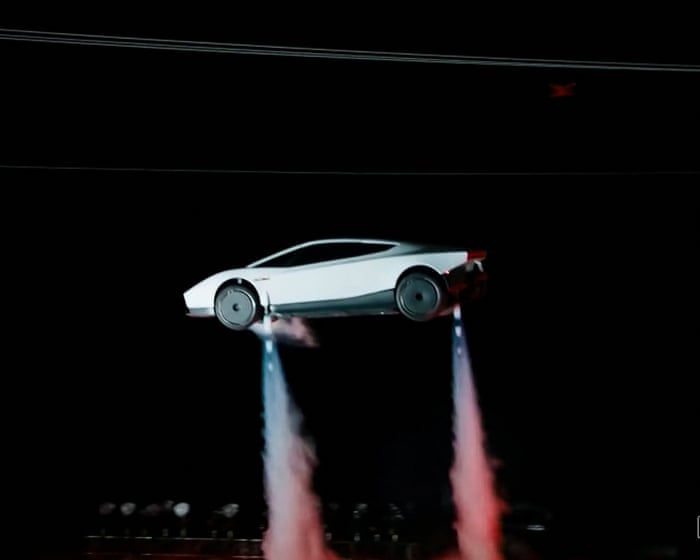
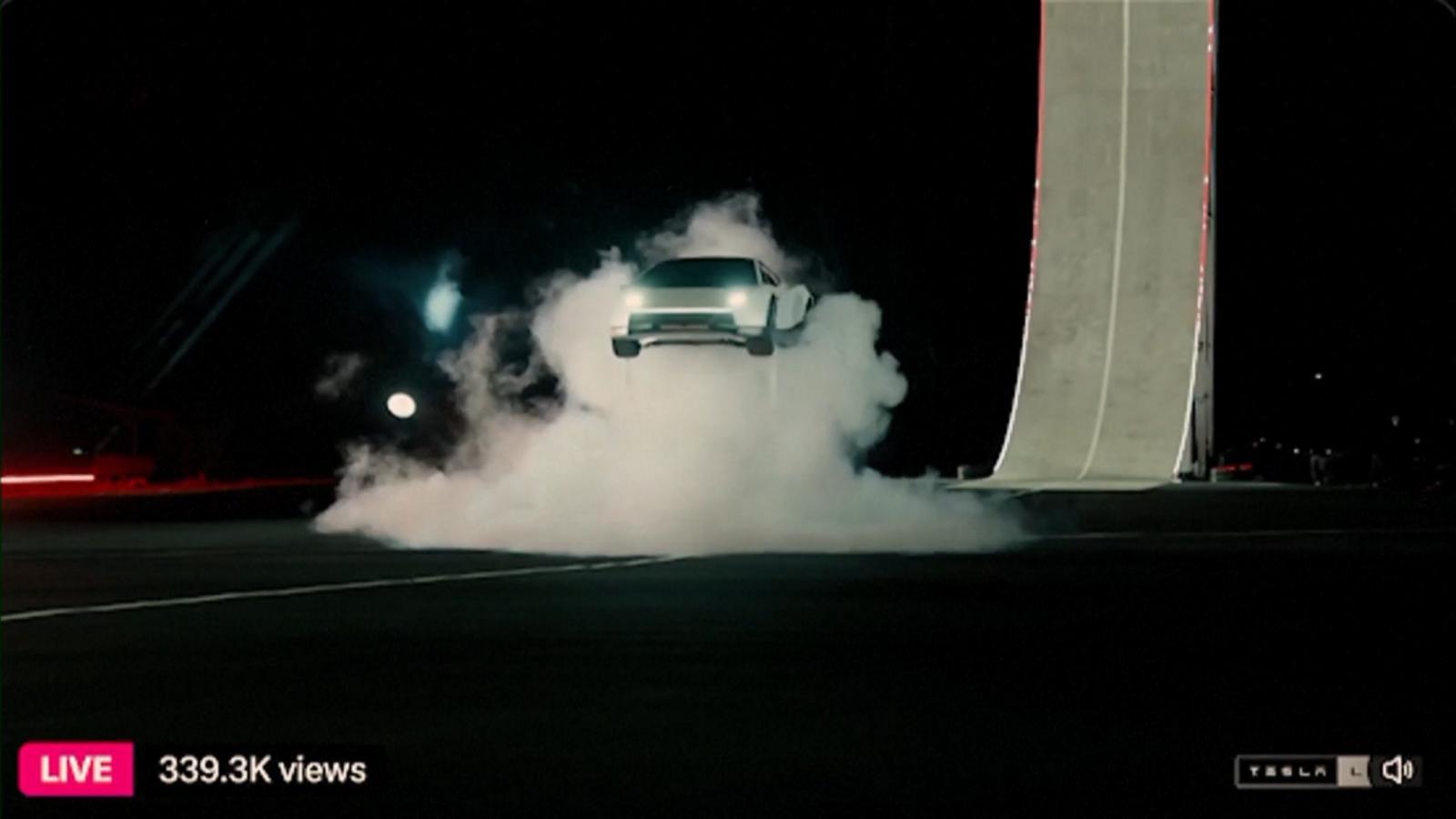
Tesla showed a new version of its Roadster sports car that can lift itself off the ground using special thrusters. However, the car is not available for driving yet.
Key Facts
Tesla revealed the second generation of its Roadster sports car.
The new Roadster has cold gas thrusters that can lift the car into the air.
It also has a "multi-mode" suction system to spin the car while flying.
This flying feature allows the car to jump and rotate for short times.
Tesla CEO Elon Musk shared this update on social media.
The car is not expected to be ready for customers to drive soon.
The announcement happened during an event on a Thursday.
The idea suggests the possibility of flying cars in the future.
Read the Original
Want the full story? Tap a source to open the original
article.
Researchers found that an Israeli spyware company used a new kind of cyberattack called "zero-click" malware, which can infect a phone or laptop just by visiting a website or refreshing an app. This malware secretly steals personal data without the user clicking anything and has targeted journalists, including staff from Al Jazeera.
Key Facts
"Zero-click" malware infects devices without any user action like clicking or downloading files.
In June 2025, 45 devices used by Al Jazeera journalists were infected with this malware.
The spyware is linked to an Israeli company called Candiru, known for targeting activists and journalists worldwide.
This malware spreads through malicious ads bought by Discover-Tech, which redirect users to infected servers.
The spyware can collect sensitive information like files, keystrokes, screenshots, microphone and camera data, emails, and messages.
To avoid detection, the malware sends stolen data in small encrypted pieces over time.
The US government blacklisted Candiru in 2021 due to its illegal hacking activities.
Experts say this type of attack is a serious global security threat because it combines multiple vulnerabilities and can bypass security protections in devices.
Read the Original
Want the full story? Tap a source to open the original
article.
Tesla is trying again to launch its new Roadster electric car, using old stunt technology in a recent demonstration. The car aims for very high speeds and uses a special battery, but production is planned for 2028 and Tesla has delayed this model before.
Key Facts
Tesla is reviving the Roadster electric car project after nine years.
The new Roadster uses rear-wheel drive and a special battery made from 4680 cells.
Tesla demonstrated the car using old stunt technology with jets of compressed nitrogen shooting out of the exhaust pipes.
The Roadster is claimed to reach a top speed of 383 mph and accelerate from 0-60 mph in 0.8 seconds.
Other electric vehicles, like the McMurtry Spéirling, already outperform some of Tesla’s claims.
Tesla has a history of delaying the Roadster; it was first announced in 2017 with promised production "now" that never happened.
Tesla plans to start Roadster production by 2028.
Tesla’s main business still faces problems like rising costs and shrinking profits.
Read the Original
Want the full story? Tap a source to open the original
article.
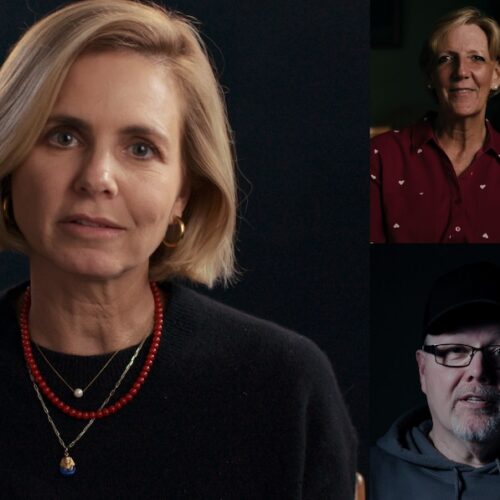
A new documentary called Super Scam Me explores how romance scammers trick people online, especially through social media and dating apps. Investigative journalist Mariana van Zeller pretended to be a target to expose how these scams work and to help find and confront the scammers.
Key Facts
The documentary airs on National Geographic and streams on Disney+ and Hulu.
Romance scams cost Americans nearly $1.5 billion each year, according to the Federal Trade Commission (FTC).
These scams often target older women who seek connections online, such as widows and divorced women.
Scammers are getting more advanced, using artificial intelligence to improve their tactics.
Journalist Mariana van Zeller created a fake online persona named “Mary Zelle” to lure a scammer posing as “Mark Turner,” a fake four-star military general from Ghana.
She used tools like fake bitcoin receipts to bait scammers and give victims closure.
Van Zeller also distributed flyers in the scammer’s neighborhood to track him down.
The documentary stresses the importance of empathy and awareness to help prevent these scams.
Read the Original
Want the full story? Tap a source to open the original
article.
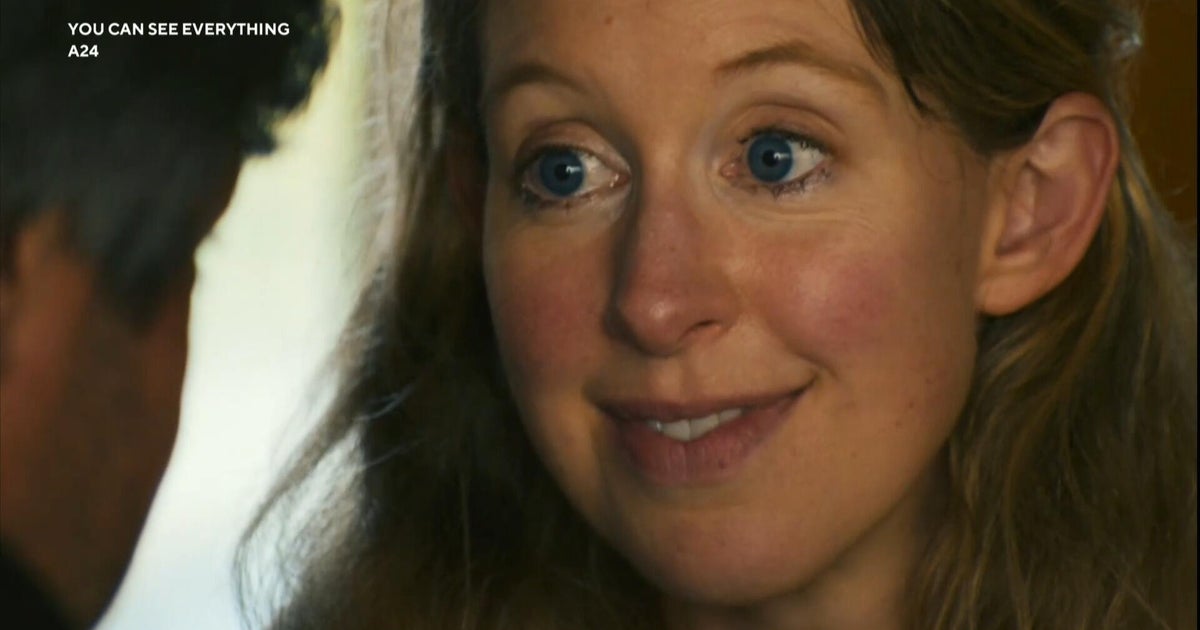
Nathan Fielder’s documentary "You Can See Everything" tells the story of Elizabeth Holmes, the founder of Theranos, before she went to prison. The film has received positive reviews from critics.
Key Facts
The documentary is called "You Can See Everything."
It focuses on Elizabeth Holmes, who started the blood-testing company Theranos.
Elizabeth Holmes was later convicted and went to prison.
Nathan Fielder directed and created the documentary.
Critics have praised the documentary and given it good reviews.
The film shows behind-the-scenes details about Holmes’s life and the Theranos scandal.
The story is based on real events relating to one of the biggest business scandals in recent years.
Read the Original
Want the full story? Tap a source to open the original
article.
Clairity Breast is a new AI tool approved by the FDA that assesses a woman’s risk of breast cancer over five years. It costs $249 and uses artificial intelligence to analyze mammogram images. Dr. Céline Gounder shared her opinion on the tool in a CBS News segment.
Key Facts
Clairity Breast is an AI (artificial intelligence) tool designed for breast cancer risk assessment.
The tool provides a five-year risk estimate for breast cancer.
It has been approved by the FDA (Food and Drug Administration).
The cost for using Clairity Breast is $249.
The tool analyzes mammogram images to make its risk prediction.
Dr. Céline Gounder gave her expert reaction to the tool in a CBS News report.
This tool aims to help doctors and patients better understand breast cancer risk.
It represents a new use of AI technology in medical imaging and cancer prevention.
Read the Original
Want the full story? Tap a source to open the original
article.
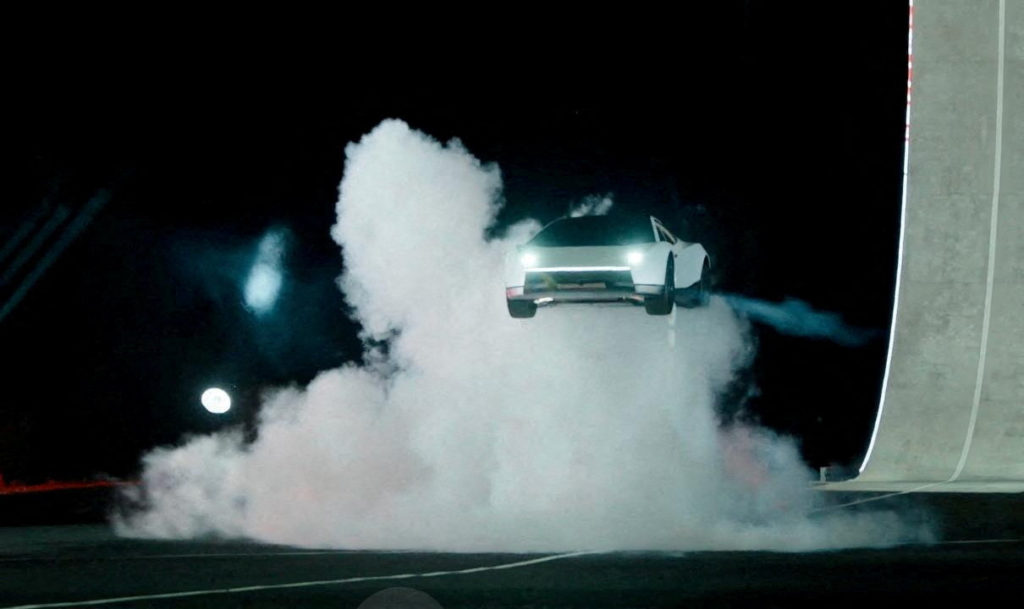
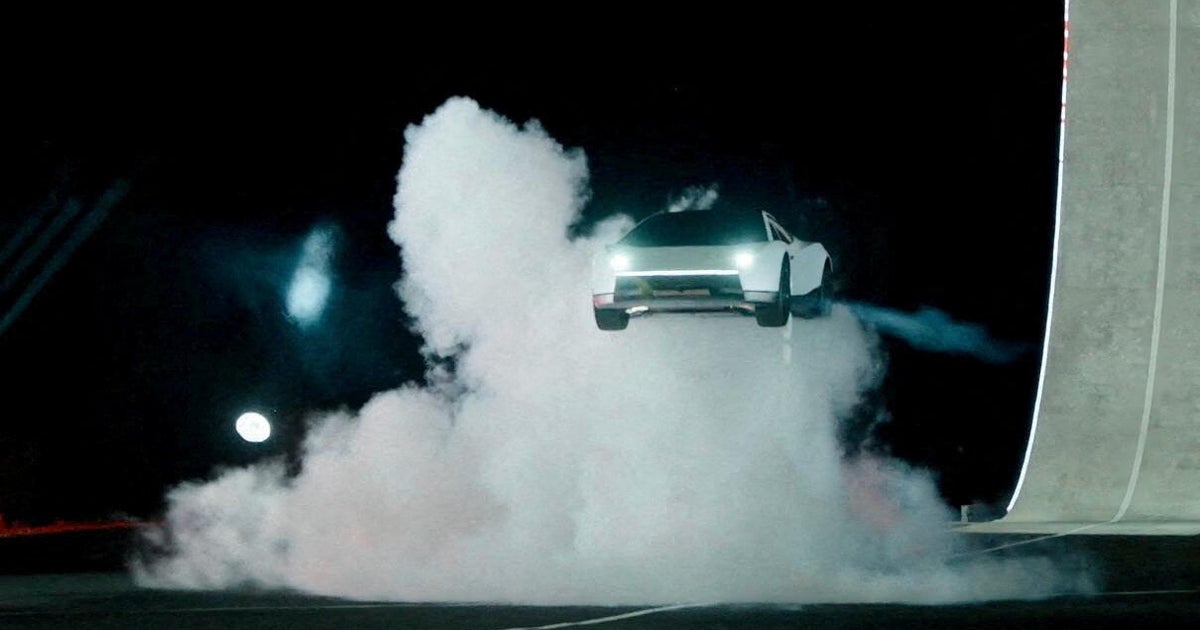
Tesla showed a new version of its Roadster sports car that uses thrusters to hover and turn in the air. The car was demonstrated by driving up a ramp, spinning mid-air, and landing with the help of air jets, but experts say flying cars are still not ready for everyday use.
Key Facts
Tesla unveiled a new Roadster electric sports car with thrusters that allow it to hover and spin in the air.
Elon Musk, Tesla’s CEO, presented the vehicle at a SpaceX facility in Texas.
The car demonstrated driving up a steep ramp, spinning in mid-air, and landing using air jets.
Elon Musk said the demonstration was needed to show the car "is not AI," meaning it is controlled by a human.
The technology used is a collaboration between Tesla and SpaceX.
Experts say the flying car concept is unlikely to be on roads soon due to technical and practical challenges.
The event was focused on showcasing new car technology and innovation.
This demonstration received attention because it combines electric car tech with aerospace-style thrusters.
Read the Original
Want the full story? Tap a source to open the original
article.
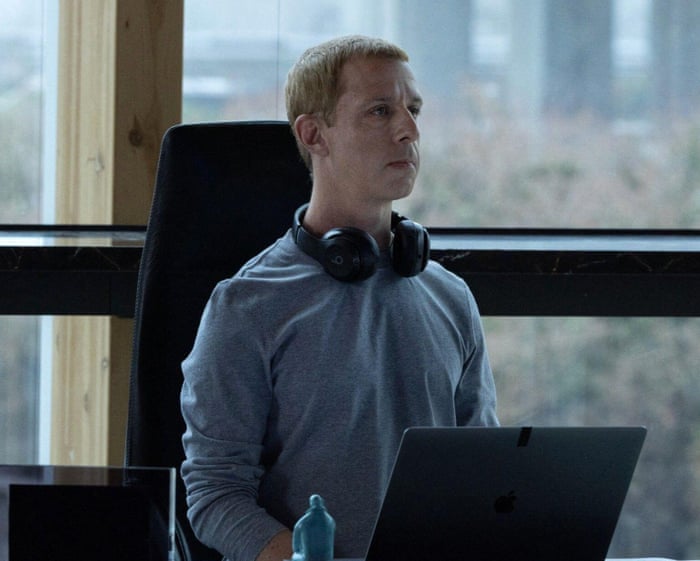
The article discusses the costume design in the movie The Social Reckoning, which shows Mark Zuckerberg’s style change from casual hoodies to smart, expensive clothes. The costume designer and actor Jeremy Strong worked closely to accurately represent Zuckerberg’s outfits, emphasizing specific brands and details to reflect his personality and status.
Key Facts
The Social Reckoning is a movie about Mark Zuckerberg covering the years 2019 to 2021.
Zuckerberg’s style moved from hoodies and T-shirts to suits and high-end shirts.
Costume designer Susan Lyall and actor Jeremy Strong collaborated closely on Zuckerberg’s look.
They chose specific items like 2018 Nike Flyknit trainers and clothes from Brunello Cucinelli, an expensive Italian brand.
Brunello Cucinelli clothes are very costly, with cardigans costing up to $16,500.
Zuckerberg’s newer style aims to show success while still seeming relatable.
Tech billionaires like Elon Musk and Jeff Bezos also wear similar high-end brands.
The costume choices reflect a change in how tech leaders use fashion to show their success and personality.
Read the Original
Want the full story? Tap a source to open the original
article.
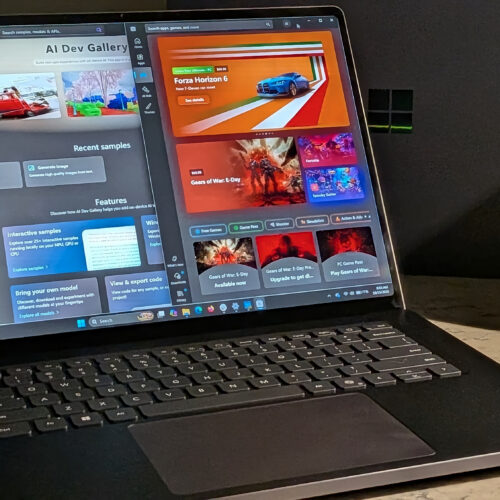
Microsoft has released the Surface Laptop Ultra, a high-performance laptop designed to handle both gaming and work tasks using new Nvidia RTX Spark technology. The laptop offers powerful hardware options, including up to 64GB of memory and a high-resolution touchscreen, but comes at a premium price starting at $2,599.
Key Facts
The Surface Laptop Ultra uses the Nvidia RTX Spark N1X chip, which combines a strong GPU and CPU for high performance.
It has a 15-inch mini-LED touchscreen with a resolution of 3270×2180 pixels and a refresh rate up to 120 Hz.
Memory options include 24GB or 64GB of unified LPDDR5x RAM, with the larger memory option paired with Windows 11 Pro.
Storage choices range from 512GB to 1TB solid-state drives (SSD).
The laptop supports Wi-Fi 7 and Bluetooth 5.4 for fast wireless connections.
It includes multiple ports: three USB-C/USB4 ports (one with magnetic charging) and one USB-A 3.1 port.
Microsoft targets this laptop at users who want one machine for both gaming and professional work.
The starting price is $2,599 and can go up to $5,899 depending on hardware options.
Read the Original
Want the full story? Tap a source to open the original
article.
Elon Musk showed a new Tesla sports car that can fly using rocket technology from his company SpaceX. The car, called the Roadster 2, can go very fast and perform flying stunts, but it is not yet approved for use on public roads.
Key Facts
Elon Musk revealed the Tesla Roadster 2 at a SpaceX facility in Texas.
The Roadster 2 can accelerate from 0 to 60 mph in less than one second.
It uses thrusters and rocket-like technology to fly and do acrobatic moves.
A video showed the car driving upside down, flipping in the air, and flying over other Tesla cars.
Musk said flying cars “are real” but noted this prototype is not fully safe or legal everywhere yet.
The Roadster 2 will be produced starting in 2028 and priced above $200,000.
A “performance” model requires a £50,000 deposit and a “thrust” model a $250,000 deposit.
A one-seat “rocket” version with full flight capability is only available by invitation.
Tesla says flying the car on public roads is not allowed.
Read the Original
Want the full story? Tap a source to open the original
article.
Japan is preparing to launch its Martian Moons Exploration (MMX) mission soon, aiming to study Mars’ moons and bring samples back to Earth by 2031. Meanwhile, several private space companies are working on new rocket launches, including Indian startup Skyroot Aerospace selling launches to US company Reflect Orbital, and US startup LEAP developing smallsat rockets for 2028. Rocket Lab delayed its Neutron rocket launch to 2027 due to manufacturing issues.
Key Facts
Japan’s MMX mission will visit Mars’ moons Phobos and Deimos, sending a rover and returning samples to Earth by 2031.
Reflect Orbital, a California startup, bought two rocket launches from India’s Skyroot Aerospace to fly its sunlight-reflecting satellites.
Skyroot’s Vikram-1 rocket became India’s first private rocket to reach orbit in July.
Reflect Orbital plans to launch a small satellite on a SpaceX Falcon 9 rideshare next year as part of a large mirror constellation in space.
LEAP, a Colorado startup, is developing the Bighorn rocket for small satellite launches, with first flight planned for 2028.
LEAP’s Bighorn rocket factory aims to produce six rockets per year initially, with potential to increase to two per month.
Rocket Lab postponed the first flight of its Neutron rocket to 2027 due to problems found during manufacturing of carbon composite parts.
Rocket Lab’s Neutron rocket is designed for larger, reusable launches, but delays have shifted its timeline.
Read the Original
Want the full story? Tap a source to open the original
article.
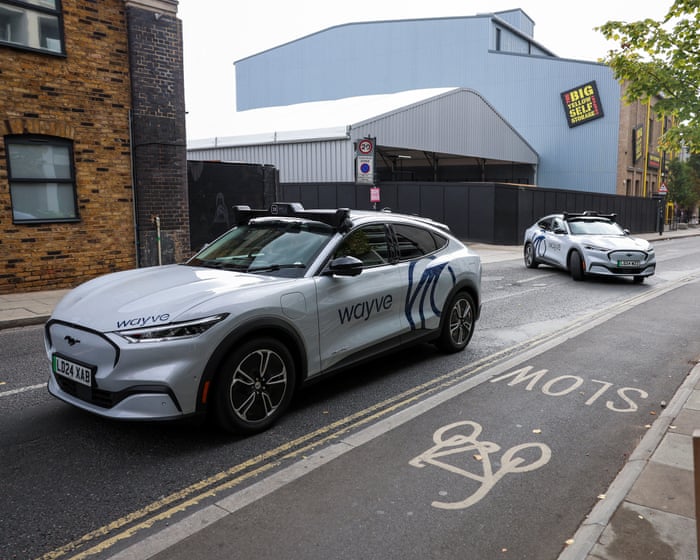
London has started limited robotaxi services with human safety drivers, led by Uber and Wayve. Some drivers and politicians are worried about job losses and safety, and they want Transport for London (TfL) to have more control over these services.
Key Facts
Over 100,000 people in London are on a waiting list to try robotaxis.
Uber and Wayve offer the first autonomous taxi services in the UK, with a safety driver present.
Drivers fear losing jobs and plan protests outside Wayve’s London base.
London’s transport committee wants the government to give TfL full power to regulate or stop robotaxis.
The robotaxi services have recently expanded to Manchester as well.
Uber plans to deploy 100,000 Nvidia-powered robotaxis worldwide starting next year.
London’s city layout is more challenging for autonomous cars than many US cities.
TfL is concerned robotaxis could worsen traffic congestion, public transportation use, and affect disabled passengers' safety.
Read the Original
Want the full story? Tap a source to open the original
article.
Elon Musk has shown off Tesla's new Roadster, a sports car that can fly using technology from his SpaceX rockets. The car climbed a curved ramp and then landed carefully after flying.
Key Facts
Elon Musk unveiled Tesla’s latest Roadster model.
The new Roadster can fly, using SpaceX rocket technology.
It climbed a curved ramp before taking off.
The car made a controlled landing after flying.
This is a new feature that combines car and rocket technology.
The launch event happened recently and was covered by ABC News.
Elon Musk is involved in both Tesla (cars) and SpaceX (rockets).
Read the Original
Want the full story? Tap a source to open the original
article.
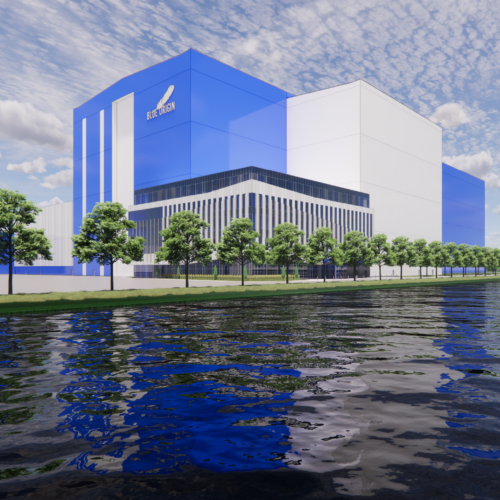
Blue Origin plans to greatly expand its rocket launch facilities in Florida to eventually fly 150 rockets each year. The company will add new launch pads, build a large manufacturing plant for rocket parts, and increase its fleet of landing ships for rocket recovery, aiming to support frequent rocket launches by the end of the decade.
Key Facts
Blue Origin will add two more launch pads for its New Glenn rocket, joining two already being built at Cape Canaveral.
The company is constructing a new manufacturing facility to produce up to 150 rocket upper stages annually.
Blue Origin plans to buy two additional ships to catch and recover rocket first stages, currently having one named Jacklyn.
A new customer integration facility will be built with the US Space Force to handle multiple payloads simultaneously.
Blue Origin has invested about $3 billion in Florida space facilities so far, employing over 5,000 people in the state.
The company is rebuilding Launch Complex 36A after a rocket loss in May and aims to resume launches by early 2027.
The expanded launch pads will support a larger New Glenn rocket variant with nine first-stage engines compared to the smaller version’s seven engines.
Blue Origin’s expansion comes as other space companies like SpaceX reduce commercial launches, creating new market opportunities.
Read the Original
Want the full story? Tap a source to open the original
article.
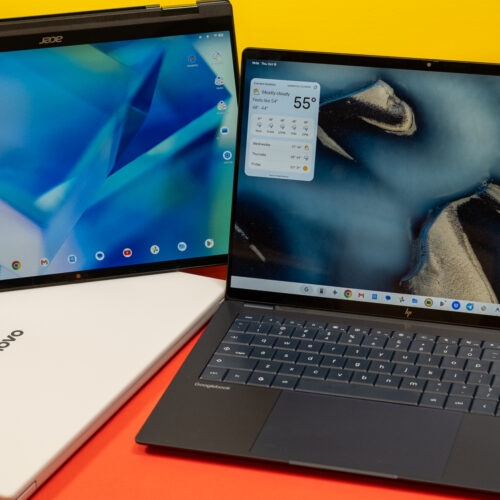
Google has introduced new laptops called Googlebooks that run on a version of Android designed for phones. These laptops have premium features and support Android apps but still feel similar to using a large phone or Chromebook rather than a traditional high-end laptop.
Key Facts
Googlebooks are Android-powered laptops aimed to compete with Windows and macOS.
They feature premium hardware like touchscreen displays, metal bodies, and biometric unlocking (fingerprint or face).
Googlebooks include different models from brands like Acer, Asus, HP, Lenovo, with prices mostly above $899.
The Acer Googlebook 14 starts at $899 with an OLED screen and metal chassis, but uses a traditional clicky trackpad.
Higher-end models, such as the HP Googlebook 14, cost around $1,300 and have advanced chips and better keyboards.
The Lenovo Googlebook 15 is larger and includes extra ports like HDMI and USB-A.
Googlebooks try to attract Android phone users but still feel like a mix between a Chromebook and a big phone.
The Glowbar is a new feature that lights up in Google colors for certain actions but is not a major selling point.
Read the Original
Want the full story? Tap a source to open the original
article.
Tesla CEO Elon Musk showed a new version of the Tesla Roadster sports car with thrusters that help it fly short distances. The car uses high-pressure air tanks to launch into the air and is planned to enter production in 2028.
Key Facts
Elon Musk unveiled the Tesla Roadster with thrusters at a SpaceX facility in Texas.
The car can fly a short distance using ultra high-pressure air tanks as boosters.
The demo involved the car launching from a ramp, flipping mid-air, and landing on its wheels.
Musk said flying cars face technical and regulatory challenges but believes this design will likely work.
The Roadster will begin production in 2028.
Flying car ideas have existed for over 100 years but only recent tech advances make them more feasible.
Musk highlighted the partnership between Tesla (car company) and SpaceX (rocket company) in this innovation.
SpaceX also works on Starlink Mobile, aiming to provide full cellular phone coverage in the U.S.
Read the Original
Want the full story? Tap a source to open the original
article.